
Where Will Your School Tour Ideas Take You in 2025?
School tour ideas in 2025 are more vivid, varied, and multicultural than ever before. Today, educational trips that take you to ancient ruins in Rome and the coral reefs of Cairns are turning into transformative journeys that make the world a classroom. More than just sightseeing, these experiences are created to ignite curiosity, enhance education, and inspire global awareness.
Why Creative School Tour Ideas Inspire Learning
The school tour ideas which are a blend of hands-on learning with cultural, scientific and historical immersion seem to be the best. From studying biodiversity in the Galápagos to touring civil rights history in Washington, D.C., these experiences connect students to content in ways no textbook could ever do. They encourage empathy, complex thinking abilities, and a greater understanding of the world.
Explore 50 Inspiring School Tour Ideas
From every inch of the globe, we have collected mind-boggling school tour ideas for 2025. Trips are categorized by region, including North America, Europe, Asia, and beyond, each offering a distinctive blend of culture, creativity, history, and entertainment. 50 school tour ideas to inspire, educate and excite your students from ancient cities to modern marvels
Region: North America
North America’s Top School Tour Ideas
North America’s top school tour ideas in 2025 offers an exciting mix of history, innovation, culture, and natural wonder. From exploring democracy in Washington, D.C., and STEM breakthroughs in Orlando, to tracing revolutions in Boston and uncovering Aztec roots in Mexico City, this region turns textbooks into real-life adventures. Students can walk through centuries of change, dive into science and space, and engage with multicultural communities across vibrant cities and breathtaking landscapes. Whether it’s politics, tech, the environment, or the arts, North America delivers lessons that stay with students long after the journey ends.
1. Washington, D.C.: Exploring Power and History

2025 School Tour Washington, D.C. — A Capitol Idea Washington, D.C. ranks high on the list of powerful school tour ideas in 2025 not just because it is home to the nation’s capital and a real-world lesson in history included politics and social progress. The city is a tapestry of stories and every museum trip or guided walk you’ll take brings you behind the scenes, deepening that richer background story.
Kick off your education with visits to the U.S. Capitol Building or the Supreme Court (before class of course) and watch American democracy in practice. Classrooms will have access to live congressional hearings and court sessions, transforming textbook theories into tangible civics lessons. Another highlight is the city’s crown jewel, the Smithsonian museums, all free and full of hands-on exhibits. Such experiences make these concepts concrete and tangible, be it when seeing the original Wright brothers’ plane at the National Air and Space Museum or viewing the Star-Spangled Banner at the Museum of American History.
Students can also explore civil rights and cultural identity through the Martin Luther King Jr. Memorial, the African American History Museum, or take thematic tours of historic neighborhoods. Engage discussions around equity, justice and activism by reflecting on lessons from these experiences.
Spring in D.C. is iconic. From students leisurely strolling the Tidal Basin during cherry blossom season, riding paddle boats near the Jefferson Memorial, or participating in an elaborate scavenger hunt highlighting city monuments and architecture. September on the other hand, is just as hot (weather-wise) and full of vibrant foliage, making it a great time to learn outside!
Washington, D.C.: For an unmistakable and undeniably real experience, few school tour ideas compare to a visit to our nation’s capital. This shows students that history is not a bygone concept it is real, changing and that they play a part in shaping the story as well.
Best Time to Visit:
March to May and September to November, when mild weather and seasonal events enhance both educational programming and exploration.
Must-Visit Places:
- The National Mall – Home to the Lincoln Memorial, Washington Monument, and U.S. Capitol.
- Smithsonian Museums – Includes the National Museum of American History, National Air and Space Museum, and many more.
- Library of Congress – The world’s largest library with rare manuscripts and exhibitions.
- Supreme Court – Offers insights into America’s judicial system with public lectures and court proceedings.
Activities to Do:
- Join guided tours of the Capitol and White House.
- Engage with STEM and cultural exhibits at Smithsonian museums.
- Take part in storytelling and debate simulations.
- Explore Georgetown and historic neighborhoods through themed walks.
Local Cuisine to Try:
- Half-Smoke Sausages at Ben’s Chili Bowl.
- Mumbo Sauce on wings and fries.
- Ethiopian platters in Shaw or Adams Morgan districts.
Educational Highlights:
Washington, D.C. remains one of the most compelling school tour ideas because it bridges the gap between civic education and real-world relevance. It allows students to interact with the pillars of democracy, understand the complexity of history, and gain perspective on current social issues, all in one transformative trip.
2. Orlando: Blasting Off with Science and Fun
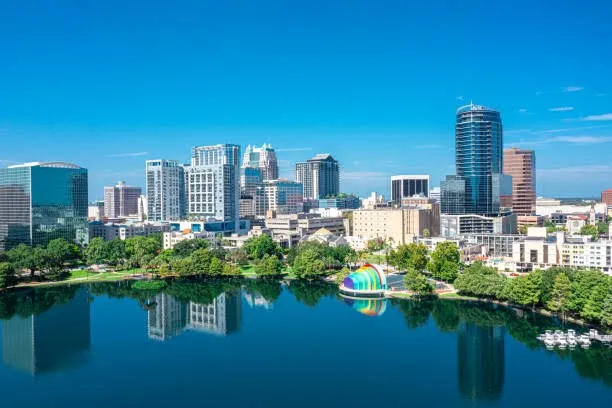
Orlando has always been one of the best school trip ideas for 2025 Since Orlando also provides a mix of fun with learning can be found on every corner, it makes for a prime place to visit. Known as the theme park capital of the world, this Florida city offers so much more than just fun, it’s a springboard for scientific inquiry, artistic expression, and interactive education.
The main appeal is the Kennedy Space Center for any student tour. A short drive from the city provides access to one of a kind experiences with space exploration. Students can participate in mock astronaut training, see a view of defended place shuttles or walk through exhibits discussion the Body provides a ideas behind the Physics of flying and past, present and upcoming NASA Directions. At the right time, groups can see a live rocket launch—that is something someone does not forget and it makes science real.
Once back in Orlando, you combine some educational adventures with EPCOT and Universal Studios. EPCOTs World Showcase is 11 different countries, so kids get the feeling of seeing food and art and customs that represent a majority of what they learned in Global Learners in one afternoon. Deeper dive into sustainability, engineering and technology innovation in Future World section While Universal’s behind-the-scenes studio tours give an insight to the movie magic and robotics of Hollywood storytelling, perfect for STEM, media or art students.
The Orlando Science Center has biology, geology, environmental science and even a digital technology exhibit with more structured science-oriented experiences. Students will be able to engage in grade-specific and curriculum-appropriate STEM challenges and experiments that are hands-on.
Orlando, however, takes school tour ideas to a new level — introducing children into a wonderland of interactive education and enjoyment. They can even end the day with a ride on Space Mountain, splash at a water park or gather around for storytelling by a campfire – turning every moment of education into an exciting and multi-sensory experience.
Best Time to Visit:
Late February to April and September to early November, when weather is mild and attraction lines are shorter.
Must-Visit Places:
- Kennedy Space Center – Explore NASA missions, astronaut encounters, and the Apollo/Saturn V Center.
- EPCOT at Walt Disney World – Where global culture meets innovation and sustainability.
- Orlando Science Center – Packed with interactive exhibits and hands-on workshops.
- Universal Studios – Behind-the-scenes look into animation, special effects, and theme park engineering.
Activities to Do:
- Simulate a shuttle launch and train like an astronaut at Kennedy Space Center.
- Engage in international role-play and cultural immersion at EPCOT.
- Join robotics workshops and science demos at the Science Center.
- Analyze theme park designs and physics principles behind roller coasters.
Local Cuisine to Try:
- Cuban Sandwiches – A Florida staple with roasted pork, Swiss cheese, pickles, and mustard.
- Key Lime Pie – A tangy-sweet dessert from the Florida Keys.
- Gator Bites – Fried alligator meat for adventurous eaters wanting a local taste.
Educational Highlights:
Among all school tour ideas in the U.S., Orlando offers a high-energy, high-impact learning environment. It teaches space science, cultural geography, engineering, and sustainability through interactive experiences that students will never forget. Educators love how Orlando delivers academic value wrapped in fun—and students leave with memories that reinforce what they’ve learned in the classroom.
3. Quebec City: Stepping Into French Heritage
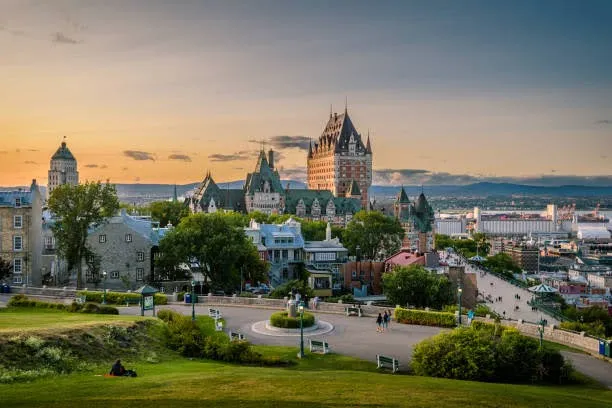
When it comes to most enriched school tour ideas which comprehensively encompass language, culture as well as a gist of history Quebec City tops the list. It is also the only walled city in North America and a UNESCO World Heritage Site — providing students with an immersive European experience, continental accommodations. It also features cobblestone streets, historic plazas and a French-speaking population, making it perfect for immersing yourself in culture and language.
Old Quebec (Vieux-Québec)Walking through Old Quebec is like entering the world’s largest open-air history museum. Students will also explore hundreds of years old architecture such as the grand Château Frontenac, and Place Royale, where the first French settlers established permanence in North America. Real-life scenarios combined with key times in Canadian colonial history help students practice their French on a bilingual guided tour. Within its walls and cobblestone streets, which are flanked by stone homes, Quebec City is a living history lesson.
The Plains of Abraham is where the battles that turned tides in wars between French and British forces actually happened. There are reenactments, old cannons and nearby Musée des plaines d’Abraham to visit where students can participate. Musée de la civilisation provides a nuanced perspective on Canada’s diverse heritage, teaching students about modern Québecois life as well as Indigenous cultures.
This concept of the school tour, however, is not only limited to museums and monuments. Students get a taste of French-Canadian food culture through cooking classes, visiting sugar shacks to see maple syrup being made and sampling traditional regional dishes such as poutine gravy-soaked fries with cheese curds) and tourtière (a crust-encased meat pie). These foodie experiences will enhance the flavor (both literal and educational) of your journey.
Additionally, seasonal events like Carnaval de Québec in winter or the New France Festival during summer make this destination very much worth a visit. On the trip, educators also often incorporate prompts such as journaling, scavenger hunts, or photo essay assignments to help students practice their observation and storytelling skills.
Number 8 — Quebec City, Quebec Number 8 on our list of the top French-immersion school tour ideas by 2025!) blends academic purpose with cultural depth in an environment which is safe and walkable for teachers and provide students a nice blend of adventure.
Best Time to Visit:
May through October for sunny weather and festivals, or January to February for snow-filled cultural events and winter sports.
Must-Visit Places:
- Old Québec – Home to Place Royale, Notre-Dame de Québec Basilica, and colonial landmarks.
- Château Frontenac – Tour the world’s most photographed hotel and learn about its architectural history.
- Plains of Abraham – Engage with Canada’s military past through reenactments and exhibits.
- Montmorency Falls Park – A stunning natural site higher than Niagara Falls.
- Musée de la civilisation – Explore Indigenous, contemporary, and historical exhibits tailored to students.
Activities to Do:
- Join a French-language guided walking tour of Old Quebec.
- Experience maple syrup making at a traditional cabane à sucre (sugar shack).
- Participate in cultural scavenger hunts or photo challenges.
- Take part in cooking classes, making local dishes such as cretons or maple desserts.
- Explore the Aquarium du Québec for marine biology insights.
Local Cuisine to Try:
- Poutine – French fries topped with cheese curds and savory gravy.
- Tourtière – Spiced meat pie, a Quebecois holiday classic.
- Maple Taffy – Hot maple syrup poured over snow and rolled onto sticks.
- Artisanal Cheeses – Sample varieties like Le 1608 or La Tomme de Grosse-Île.
- Cretons – A pork spread served on toast for breakfast or snacks.
Educational Highlights:
Among the best school tour ideas for language immersion, Quebec City offers students a rare chance to apply French in daily interactions. Combined with its colonial history, Indigenous narratives, and vibrant seasonal festivals, the city provides a well-rounded, experiential learning journey. It’s a destination that makes history tangible and culture unforgettable.
4. Boston: Tracing Revolution and Innovation
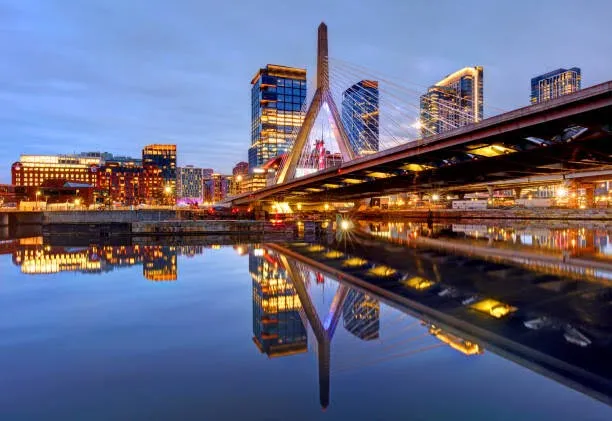
Classic yet filled with innovation, Boston is one of the best school tour ideas for 2025, as it is a destination that uniquely combines educational opportunities with historical significance. One of the most historical cities in the US is known as City at Cradle of Liberty where upon walking through, it really feels like visiting the once former footsteps of founding figures alongside vibrant scientific and intellectual advancements.
Start your educational journey on the Freedom Trail, a 2.5-mile-long red-brick path that links 16 sites of historic interest. Students will tour historical spots including the Old North Church, Paul Revere’s House and Boston Tea Party Ships & Museum to relive the historic protest that sparked a revolution. Many—myself included—believe that such experiences foster not just historical knowledge but civic engagement and the ability to think critically about complex issues.
Boston is unique among the top school tour ideas for its ability to mix the past with the future. In addition to colonial landmarks, the city is also home to prestigious learned institutions such as Harvard and MIT. Schools like these could offer guided campus walks, access to innovation labs and whatnot, or even a panel discussion of undergrad researchers — as-a-featured image/Image: Miri Pae. This exposure frequently incites the curiosity of students about higher education and informs them on worldwide problems like climate change, robotics, medical research.
The city is also creating opportunities for different academic interests. Art students can visit the long-celebrated collections at the Museum of Fine Arts to supplement their learning, while science enthusiasts will be excited by the interactive exhibits at five-story Museum of Science and its live-demonstrations, planetarium shows, daily hands-on activities and engineering labs.
In some areas they can combine teaching with a little bit of fun — on Boston Harbor cruises offering whale-watching or excursions to the Boston Harbor Islands, where students can learn about maritime history and sustainable landscapes. With the city being so walkable and compact, it is easy to visit several learning zones in a day.
Boston is high on the list of best school trip ideas. It is a place that connects students to the true roots of America whilst also calling them to challenge their understanding of its potential future. With the help of interactive tours, facilitated university visits and practical workshops learners take away not only knowledge but also motivation.
Best Time to Visit:
Late September to mid-October, when fall foliage is in full display and the city hosts many educational and cultural events.
Must-Visit Places:
- Freedom Trail – Walk through American Revolution landmarks like Faneuil Hall, Old South Meeting House, and Bunker Hill Monument.
- Boston Tea Party Ships & Museum – Interactive exhibits and reenactments of the Boston Tea Party.
- Harvard University & MIT – Explore elite university campuses and innovation hubs.
- Museum of Science – Discover interactive science and technology exhibits.
- Museum of Fine Arts – Home to ancient artifacts and modern masterpieces.
Activities to Do:
- Take part in a guided Freedom Trail tour with reenactors in colonial costumes.
- Join STEM workshops or live science experiments at the Museum of Science.
- Participate in student-led campus tours and Q&A sessions at MIT or Harvard.
- Attend performances or cultural programs in Boston’s theatre district.
- Hop on a harbor cruise to learn about Boston’s naval and trade history.
Local Cuisine to Try:
- Clam Chowder – Creamy soup filled with clams and potatoes.
- Lobster Rolls – Served cold or warm, these are a New England classic.
- Boston Baked Beans – Sweet and savory, slow-cooked with molasses.
- Cannoli – Crispy pastry shells with creamy ricotta filling, especially in the North End.
- Fenway Frank – A must-try hot dog at America’s oldest baseball stadium.
Educational Highlights:
Boston offers one of the most well-rounded school tour ideas for 2025. It merges revolutionary history with 21st-century education, helping students appreciate the continuum between past innovation and present progress. Whether they’re walking where Paul Revere once rode or sitting in a robotics lab at MIT, students walk away with lessons that last a lifetime.
5. San Francisco: Bridging Tech and Nature

In 2025, San Francisco makes the cut for forward-facing school tour ideas which bundle innovation with some nature vibes. Not only does this California city boast some of the most well-known landmarks in the U.S., but it also is home to a flourishing tech industry and a strong focus on environmental education. This course offers students the ability to investigate how creativity can be made compatible with ecological stewardship.
The best place to begin your visit is with one of the most well known engineering sites in the world—the Golden Gate Bridge. Students walk or bike across, learning about civil engineering, the physics of suspension bridges and urban infrastructure. Alcatraz Island, a former maximum-security prison that has been turned into by a museum and historic site, is not far from there either. An audio-guided tour re-tells the tales of prisoners and breakouts, making for an educational experience that provides insight into justice, law, and social change.
A fantastic idea for a little technology-inspired school trip is found in San Francisco. While students in nearby Silicon Valley can attend company visits — for companies like Google, Apple, Meta – Insights are provided through these visits on how innovation, entrepreneurship and future in Robotics and AI actually takes place behind the scenes, gearing it best for STEM student as well as business school student.
The most hands-on museum in the city, the Exploratorium transforms science into a game. Students are involved at hands-on exhibits about physics, perception, biology and social behaviour. Nearby, the California Academy of Sciences has everything from a planetarium to an indoor rainforest and aquarium tucked beneath a living roof. Fejlvar has designed each exhibit to spark curiosity and encourage critical thinking in a variety of subject areas.
Another contributing factor to the appeal of education is San Francisco’s cultural richness. ChinatownA stroll through Chinatown demonstrates ancient customs, while in the Mission District, a tapestry of Latinx history can be discovered walking winding alleyways and taking part in culinary events or listening to oral histories. These experiences make it one of the comprehensive university tour ideas for school and colleges in North America.
Additionally, the city emphasizes sustainability. Many schools on the Pacific coastline, or those located close to environmental centers like the Marine Mammal Center in nearby Sausalito, cover topics related to green design, marine biology and climate resilience.
The purpose of San Francisco is not just a field trip — it is a connection between innovation and identity, between setting and start-up. It is perhaps the most unique among all school tour ideas as it makes students feel at home and gives them insight into a way of thinking, a purpose and opportunity.
Best Time to Visit:
September through November offers warm, clear days with fewer tourists. These months are perfect for outdoor exploration and learning.
Must-Visit Places:
- Golden Gate Bridge – Learn the mechanics of suspension bridges and urban design.
- Exploratorium – A hands-on science museum with over 650 interactive exhibits.
- Alcatraz Island – Explore U.S. prison history and themes of justice and reform.
- California Academy of Sciences – A comprehensive science institution with ecosystems under one roof.
- Silicon Valley – Take innovation-focused tours of major tech companies.
Activities to Do:
- Participate in science experiments at the Exploratorium.
- Tour Alcatraz with audio guides and ranger talks about U.S. justice systems.
- Join innovation sessions at tech campuses or business incubators.
- Explore Chinatown and the Mission District through cultural immersion walks.
- Study marine biology at the Marine Mammal Center or oceanfront ecosystems.
Local Cuisine to Try:
- Sourdough Bread – Iconic and tied to the city’s Gold Rush-era heritage.
- Dungeness Crab – A sustainable seafood delicacy, best enjoyed in season.
- Mission-Style Burritos – Oversized and flavorful, a product of cultural fusion.
- Ghirardelli Chocolate – A sweet taste of San Francisco’s confectionary history.
- Dim Sum – Sample authentic Chinese cuisine in the country’s oldest Chinatown.
Educational Highlights:
San Francisco excels as one of the most enriching school tour ideas because it bridges the past, present, and future. Students can explore the fundamentals of science, technology, history, and culture all in one place. The city’s energy, diversity, and commitment to sustainability make it a living classroom that empowers students to imagine and innovate.
6. Mexico City: Uncovering Aztec and Urban Life
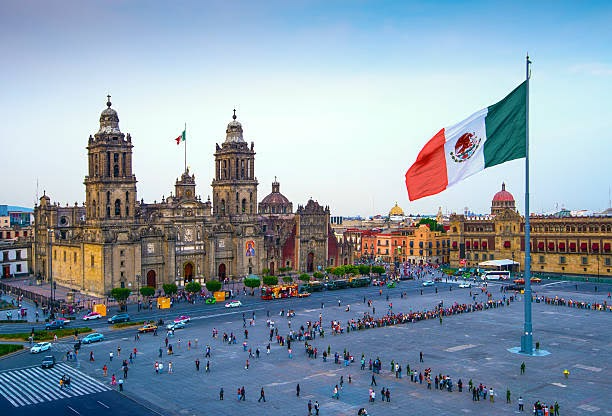
Best School tour Ideas, One of the most underrated school trip ideas in 2025, now transforming the classic ways of learning: Mexico City. It is a teeming capital city, a modern-day megalopolis atop the ruins of an ancient Aztec metropolis, and it generates its educational value as such, in layers. The destination offers students the chance to delve deep into historical and anthropological aspects, with a touch of architectural flavor and some contemporary urban challenges.
Start at the excavated ruins of a great Aztec temple, Templo Mayor, next to the Metropolitan Cathedral in the historic center of town. The tours navigate ceremonial platforms and stone carvings that illustrate the religious and political heart of Tenochtitlán, the ancient Aztec capital. Through these experiences, students receive a view into pre-Columbian belief systems, cosmology, and social structure.
Teotihuacán is located just outside the city and is one of the most impressive archaeological complexes in Mexico. Visitors are also still allowed to clamber up the Pyramid of the Sun and Pyramid of the Moon, stroll along the Avenue of the Dead, or ponder over just how advanced Mesoamerican people were from an engineering perspective. These are particularly relevant places to visit for history, world religion, and architecture classes on a school tours.
The National Museum of Anthropology Medusa For those who want a crash course in the cultural upheaval Mexico has seen from early civilization to modern times, nothing can come closer than visiting this museum. With the Aztec Sun Stone and comprehensive ethnographic displays helping pupils to build a sense of their own identity, students’ minds are opened to contemporary Indo-American nastiness. Art students can also taste some of the lives and works of Frida Kahlo and Diego Rivera with visits to La Casa Azul, where they lived and worked, in addition to seeing Rivera’s murals that depict revolution, culture, and social justiceanciscopizarro/pixabay.
Mexico City AlsoBursting life of social and environmental topics. Workshops related to sustainable food systems, climate challenges in cities, and public transportation infrastructure are part of many school programs. Walking through Coyoacán or Roma Norte opens students to local markets and artisan crafts, as well as community activism.
Food is a part of the learning process. Through tasting tacos on the street and taco tours, to workshops of making tortillas and visits to traditional tianguis (markets), you are lead through various elements of cuisine as they relate to culture, identity and sustainability.
Mexico City: Unique school tour idea for 2025 How ancient heritage connects to global issues of today It is a place where students confront the scale of history, society, and their potential roles in the ever-changing world.
Best Time to Visit:
November to April for dry, pleasant weather. Early November is ideal for experiencing Día de los Muertos, a powerful cultural and educational event.
Must-Visit Places:
- Templo Mayor – Ancient Aztec temple complex in the heart of the city.
- National Museum of Anthropology – Home to world-famous artifacts and Indigenous exhibitions.
- Teotihuacán – Explore pyramids, plazas, and murals from a lost civilization.
- Frida Kahlo Museum (La Casa Azul) – A deep dive into Mexican art, gender, and revolution.
- Xochimilco – Navigate colorful canals while learning about ancient agriculture.
Activities to Do:
- Tour the ruins of Teotihuacán with archaeologist-led talks.
- Visit local markets like La Ciudadela for artisan workshops.
- Participate in cultural dance or mask-making sessions.
- Take a guided walk through Coyoacán, exploring colonial and modern art history.
- Learn about urban sustainability in workshops hosted by local NGOs.
Local Cuisine to Try:
- Tacos al Pastor – Spit-roasted pork tacos served with pineapple and onion.
- Tamales – Corn-based dough filled with meats or cheeses, wrapped in husks.
- Chiles en Nogada – A patriotic dish tied to Mexican independence.
- Pan de Muerto – A sweet bread prepared for Día de los Muertos traditions.
- Churros with Hot Chocolate – A warm, sugary classic from famed cafes like El Moro.
Educational Highlights:
Mexico City brings to life some of the most dynamic school tour ideas available. It allows students to compare civilizations, confront colonial legacies, celebrate art and activism, and see firsthand how the past still shapes the present. Whether it’s walking in the shadows of pyramids or listening to street musicians near Frida’s house, students are guaranteed to leave with lasting knowledge and deepened cultural understanding.
7. Vancouver: Blending Nature and Culture
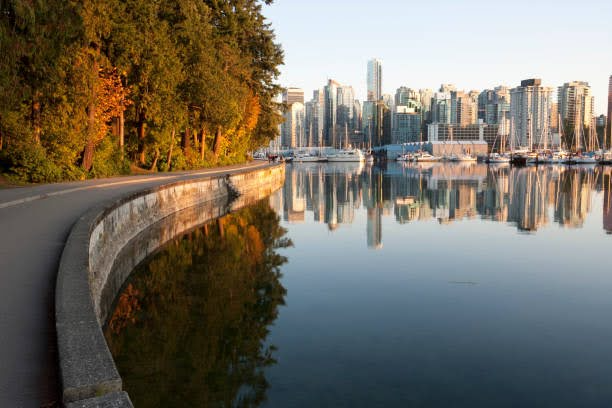
In 2025, Vancouver will make it one of the best school trip ideas as you get careful tomography and multicultural involvement with among nature around you. The city, which is set between the Pacific Ocean and the Coast Mountains, offers students a living laboratory for studying ecology and sustainability as well as cultural diversity in an exciting and accessible urban environment. Vancouver is Vancouver from the forest trails to city streets.
A stop at Stanley Park will usually kick off a tour with students winding their ways through ancient forests, passing totem poles and learning about biodiversity in the Pacific Northwest. DYK: Guided eco-walks, marine studies and conservation workshops provide students the opportunity to learn environmental science in real life. The Vancouver Aquarium close by continues the themes with interactive displays of marine life soft pedal climate change & rehabilitation programs demonstrating to how it all relates back to our impact.
To add more cultural aspects to this idea of school tour, groups can head over to the Museum of Anthropology at the University of British Columbia. With one of the largest Indigenous art and artifacts collections in the world, it offers insight to First Nations’ perspectives and colonial history. Through trips to Chinatown, Granville Island, and local farms Vancouver demonstrates to students how other cultures, environments, and communities live along side one another and just how that relates towards the modern globe.
Best Time to Visit:
Spring (March to May) and autumn (September to November) offer mild weather, fewer crowds, and the chance to witness cherry blossoms or fall foliage.
Must-Visit Places:
- Stanley Park – Forested parkland with educational trails and Indigenous totem poles.
- Vancouver Aquarium – Focus on marine ecosystems, wildlife rehabilitation, and climate impact.
- Museum of Anthropology – First Nations artifacts and cultural exhibitions.
- Capilano Suspension Bridge Park – Eco-tourism and rainforest ecology in action.
- Granville Island – A cultural hub featuring artisan studios and local food vendors.
Activities to Do:
- Participate in environmental workshops or guided forest ecology walks.
- Visit the Vancouver Aquarium for marine biology programs.
- Explore First Nations history through storytelling and museum tours.
- Ride the SkyTrain to learn about urban sustainability and infrastructure.
- Take part in local food tours or artisan craft workshops.
Local Cuisine to Try:
- Salmon Candy – Smoked, sweetened salmon traditional to Indigenous cuisine.
- Japadog – A fusion-style hot dog combining Japanese toppings with a Canadian staple.
- Poutine – Fries with cheese curds and gravy, a classic Canadian comfort food.
- Dim Sum – Widely available due to Vancouver’s large Chinese community.
- Nanaimo Bars – A no-bake dessert named after a nearby town in British Columbia.
Educational Highlights:
Vancouver stands out among school tour ideas for its ability to merge ecological education with cultural diversity. Students come away with a better understanding of sustainability, Indigenous perspectives, and how global cities can function in harmony with nature. It’s an ideal destination for schools looking to combine science, history, and global citizenship in one powerful learning experience.
8. New Orleans: Celebrating Music and Resilience
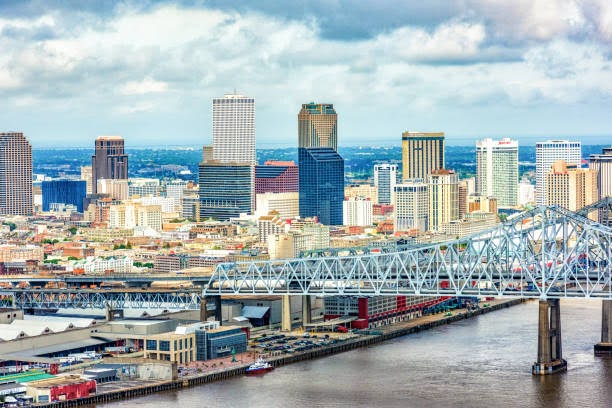
New Orleans is one of the most emotionally powerful school tour ideas in 2025, offering students an unforgettable blend of history, music, and cultural resilience. This city, steeped in French, Spanish, African, and Caribbean influences, teaches students about both celebration and struggle, creativity and community. Every street corner pulses with life, making it a compelling destination for cross-disciplinary learning.
A typical school tour here begins in the French Quarter, where students are immersed in centuries of architecture, jazz history, and Creole heritage. Guided walking tours of Jackson Square, St. Louis Cathedral, and Preservation Hall introduce the birth of jazz, showcasing how music can be both a historical and emotional archive. Visits to the New Orleans Jazz Museum deepen the connection between music and social change, showing how culture can be a force of resistance.
Beyond the music, students explore the complexities of American history at sites like the Whitney Plantation, which focuses on slavery and its legacies, or the Lower Ninth Ward Living Museum, which tells the story of Hurricane Katrina from a community’s perspective. Workshops and talks from local activists, musicians, and chefs provide students with diverse, lived experiences that enrich classroom topics like civil rights, climate resilience, and American identity.
Best Time to Visit:
February to May is ideal for mild weather and access to cultural events like Mardi Gras and the Jazz & Heritage Festival.
Must-Visit Places:
- French Quarter – Historic architecture, street music, and Creole cultural immersion.
- Preservation Hall – Intimate jazz venue and music education hub.
- Whitney Plantation – A powerful look at the history and impact of slavery in the South.
- National WWII Museum – One of the most comprehensive war museums in the world.
- Lower Ninth Ward Living Museum – Community-centered storytelling and disaster history.
Activities to Do:
- Participate in jazz workshops or music history tours.
- Engage in service-learning or cultural exchange in local neighborhoods.
- Take cooking classes to learn about Cajun and Creole cuisine.
- Explore swamp ecosystems on guided bayou tours.
- Visit historic cemeteries to learn about local folklore and architecture.
Local Cuisine to Try:
- Beignets – Powdered-sugar pastries best enjoyed at Café du Monde.
- Gumbo – Hearty stew with seafood, sausage, and okra.
- Po’ Boys – Overstuffed sandwiches on French bread with fried seafood or meat.
- Jambalaya – Spicy rice dish that blends Spanish and West African influences.
- Pralines – Sweet confections made with pecans, sugar, and butter.
Educational Highlights:
Among school tour ideas rooted in cultural depth, New Orleans delivers layered experiences that touch on history, music, food, and social justice. It teaches students how communities rebuild through art and activism, and how learning can happen through both joy and reflection. It’s a journey that engages the mind and stirs the soul.
Region: Europe
Europe’s Classic School Tour Ideas
The European school tour ideas of 2025 are a living, breathing museum, where ancient ruins, revolutionary ideas, and artistic masterpieces collide in ways you hadn’t thought possible. From strolling through the Parthenon in Athens to dissecting how the Berlin Wall still affects people today, students live history where it happened. It is not just the cities that offer artworks and architecture but, many more about political ideology, philosophy and culture crossover (eg. Paris, Rome, Athen.) Each cathedral climbed, museum visited and street turned down in Europe takes learning from a thing on the page to a multi-sensory adventure that sparks curiosity and international awareness.
9. Berlin: Reflecting on Walls and Renewal
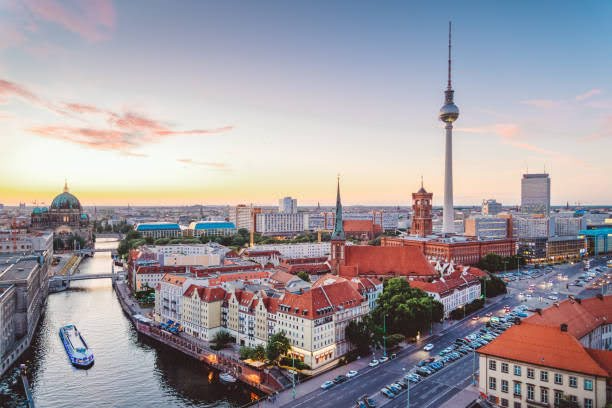
Berlin is one of the most fascinating in 2025 school tour ideas immediately showing students deep look at history, politics, arts and also how to hold on. It’s the kind of place where every street corner has a story, of imperial power, war-torn devastation or modern democracy. In addition to receiving training, students in Berlin are versed in greater matters of how a society remembers, recovers and rebuilds.
Many school trips to Berlin start with the Berlin Wall Memorial, which includes preserved sections of the Wall, watchtowers and interactive displays that convey something of breadth of both Cold War history and its human toll. When students listened to stories of escape attempts and divided families, global history became localised, real life for them. At Topography of Terror museum, new students learn about Nazi propaganda, surveillance and resistance, crucial to helping them understand why civic duty and human rights really matter.
But Berlin is more than a monument to the years gone by. The Reichstag Building with it modern glass dome symbolizes transparency and democracy. The East Side Gallery featured street art, and the Cultural Workshops made creative interdisciplinary projects to express that boundaries are what people should not rely on.Urban sustainable initiatives demonstrate a different vision to students showing how policy relates to creativity. The experiences mentioned give some of the most important lessons for anyone contemplating a career in journalism, ethics or government and world citizenship.
Best Time to Visit:
May to September offers ideal weather for walking tours and outdoor exhibits, as well as access to cultural festivals.
Must-Visit Places:
- Berlin Wall Memorial – Preserved sections of the Wall and personal stories of division.
- Reichstag Building – German parliament building, representing democratic renewal.
- Topography of Terror – Museum documenting the Nazi era’s institutions and atrocities.
- Jewish Museum Berlin – An architectural and emotional journey through Jewish history in Germany.
- East Side Gallery – Murals painted on remaining Berlin Wall segments, symbolizing freedom and hope.
Activities to Do:
- Take guided historical tours along the Berlin Wall and Cold War landmarks.
- Visit Museum Island to explore ancient artifacts and European art history.
- Join street art and graffiti workshops in Kreuzberg.
- Participate in discussions with local students or youth political groups.
- Explore sustainability practices through Berlin’s eco-projects and urban gardens.
Local Cuisine to Try:
- Currywurst – Grilled sausage topped with spicy ketchup and curry powder.
- Berliner Pfannkuchen – Jam-filled doughnuts often enjoyed at school celebrations.
- Sauerbraten – Marinated roast beef served with red cabbage and potato dumplings.
- Pretzels (Brezeln) – Freshly baked, soft, and salty, a German street food staple.
- Apfelstrudel – Warm apple pastry served with cream or vanilla sauce.
Educational Highlights:
Berlin ranks high among school tour ideas that foster critical thinking and historical awareness. Students learn about dictatorship and democracy, oppression and resistance, memory and healing. It’s a place where past and present meet to shape the future—and where young learners begin to understand their role in it.
10. Athens: Walking Through Ancient Greece
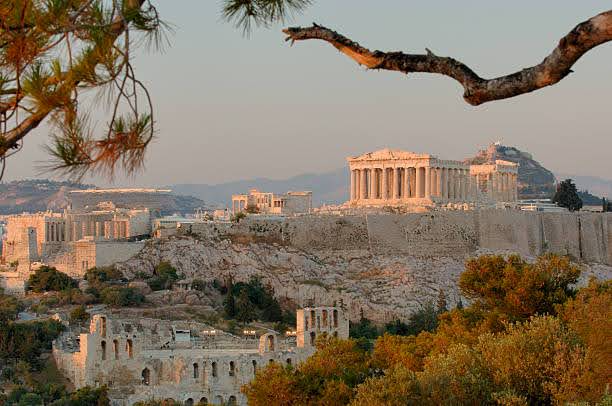
Athens will be a top school tour ideas in 2025 as it provides students experience of the roots of Western civilization like no other. With lessons ranging from philosophy and politics to architecture and mythology, the Greek capital brings pupils closer to the roots of many of our modern beliefs. Each marble column draped in history and toppled temple predates all of the pages within your biology book.
The school tour starts at the Acropolis, where students ascend to the Parthenon and look out at a city that has had a front row seat to 2,500 years of history. Escorted tours point out the architectural and spiritual legacy of classical Athens; it pays to e-book into one among these reasonably than traipsing round by yourself. A bit even from time to time can be welcome, so any other day can be spent inside the Acropolis Museum – masses already ended (earthenware jugs, glass vases) and others galore (figures of human beings in movement, animals with character characters). You can see in their eyes where they begin to understand that democracy, and debate, and community involvement weren’t just ideas but things we actually outgrew from right here on the ground they standupnonscrolled.gif
Athens is also about more interactive cultural experiences. Trips to the Ancient Agora reveal where ancient lawmakers and philosophers convened, while tours of pottery, calligraphy or traditional dance workshops provide a glimpse into ancient rituals. Mythology and storytelling in the Plaka district and on Pnyx Hill, where public speech commenced, sound ancient history in a special way.
Best Time to Visit:
April to June and September to October, offering mild weather and fewer crowds for exploring ancient sites.
Must-Visit Places:
- Acropolis and Parthenon – The crown jewel of classical Greece and symbol of democracy.
- Acropolis Museum – Displays statues, friezes, and multimedia on ancient Athens.
- Ancient Agora – The civic center of ancient Athens, featuring temples and marketplaces.
- National Archaeological Museum – Home to thousands of artifacts from Greece’s ancient past.
- Plaka District – A picturesque neighborhood filled with local shops and mythology landmarks.
Activities to Do:
- Join historical walking tours across the Acropolis and surrounding ruins.
- Participate in workshops on ancient Greek pottery or language.
- Reenact democratic debates on Pnyx Hill, birthplace of public speech.
- Explore local food markets and cook traditional Greek recipes.
- Take part in guided mythology storytelling sessions.
Local Cuisine to Try:
- Moussaka – Baked dish made with eggplant, ground meat, and béchamel sauce.
- Souvlaki – Grilled meat skewers served in pita with sauces and salad.
- Spanakopita – Spinach and feta-filled pastry in phyllo dough.
- Baklava – Sweet layers of filo pastry, honey, and nuts.
- Greek Yogurt with Honey and Walnuts – A simple but beloved dessert.
Educational Highlights:
Athens ranks among the most historically rich school tour ideas, making it perfect for literature, philosophy, art, and civics education. The city turns theoretical concepts into tactile experiences, students see where democracy was debated, where gods were worshipped, and where history began. It’s a journey that inspires critical thinking, curiosity, and a lasting connection to the ancient world.
11. Copenhagen: Living Green in Scandinavia
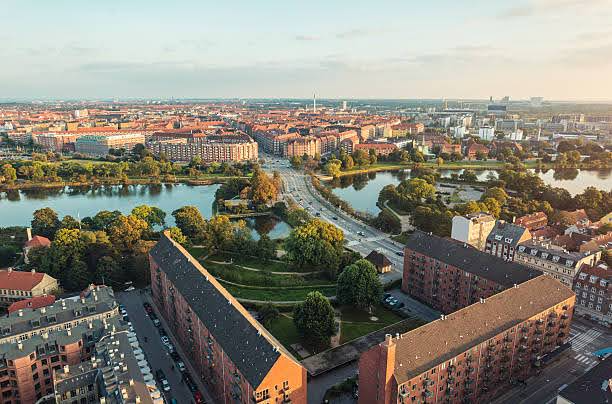
For school tour ideas in 2025, Copenhagen is the place to go if you have a group of students interested in sustainability and urban design or just Nordic lifestyle. One answer comes from a city where more people travel by bicycle than use automobiles, and where public services are all powered by renewable energy: Copenhagen offers the world a live vision of what it might be like to marry modern living with environmental care.
Frequently, the journey starts with CopenHill, an avant-garde waste-to-energy plant and activity center that features a ski slope and hiking paths on its rooftop. For half price, students discover the secrets to how the city turns trash into electricity that generates profits, participate in hands-on sortation and educational tours on directional pathways through circular economy tactics and climate policy. This is an engaging activity that forces students to think creatively about resources and ecological innovation.
Explore Beyond Green Tech, Cultural Immersion in Copenhagen Tivoli Gardens introduces students to Danish traditions in terms of architecture, music, as well as amusement rides since 1843. Explore Viking history, monarchy and social progress through tours of the National Museum of Denmark and Rosenborg Castle. There are guided bike tours, science museum visits and urban planning workshops to demonstrate how the Danish capital is working towards a healthier, more inclusive future—top of the list for modern school trips.
Best Time to Visit:
May to September is ideal, offering long daylight hours, mild weather, and access to outdoor exhibits and cycling tours.
Must-Visit Places:
- CopenHill – Waste-to-energy plant with educational workshops on sustainability.
- National Museum of Denmark – Covers Viking culture, medieval life, and Danish social development.
- Tivoli Gardens – A historic amusement park with performances, design showcases, and local culture.
- The Blue Planet Aquarium – Northern Europe’s largest aquarium, focused on biodiversity and conservation.
- Rosenborg Castle – A Renaissance-era castle filled with royal treasures and historical insight.
Activities to Do:
- Cycle through Copenhagen’s eco-friendly infrastructure with a guided sustainability tour.
- Participate in renewable energy workshops at CopenHill or wind energy centers.
- Explore marine ecosystems at The Blue Planet through interactive exhibits.
- Visit Christiania for discussions on urban experimentation and alternative societies.
- Join cooking classes to learn how Denmark embraces seasonal, local ingredients.
Local Cuisine to Try:
- Smørrebrød – Open-faced rye sandwiches topped with fish, meats, or pickled vegetables.
- Frikadeller – Danish pork meatballs served with potatoes and gravy.
- Stegt Flæsk med Persillesovs – Crispy pork belly with parsley sauce, considered Denmark’s national dish.
- Rødgrød med Fløde – A dessert made of red berries and cream.
- Wienerbrød – Known internationally as “Danish pastries,” rich in butter and tradition.
Educational Highlights:
Copenhagen stands out among school tour ideas for its innovative approach to sustainability and community-centered urban life. Students explore how design, technology, and policy work together to shape a greener world. It’s a destination that turns the classroom into a living lab, encouraging future leaders to envision solutions for global challenges.
12. Rome: Reliving Gladiators and Art
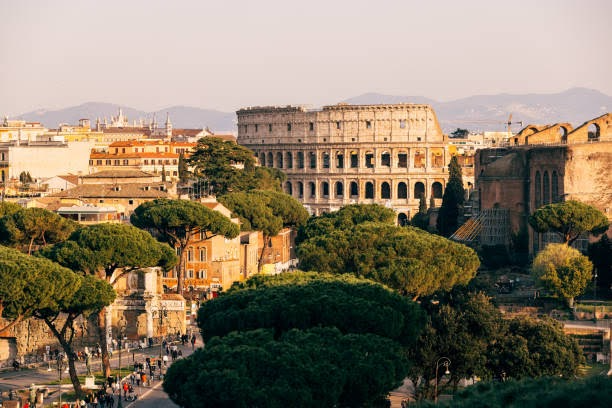
One of the longest standing school tour ideas we must include is Rome, which dates back to 2025 and incorporates mythology, architecture, religion, and politics into one exciting unmissable tour. Strolling through the Eternal City is like perusing a breathing history how-to book, each square, sanctuary and vestige gives the beginnings of Western Human progress. It is a rare chance for students to study under the proverbial noses of giants.
Starting with the history of Roman Engineering and Gladiator culture, one has to first pay attention seminal structure that is the Colosseum, an amphitheater designed to house up to 80,000 people for public entertainment. Strolling through the Roman Forum provides insight into political and religious life, with students visiting cobblestoned thoroughfares stretching past temples, basilicas and marketplaces where senators debated and citizens gathered. We emerge, to practical and real sorts of history, out of the textbook chapters.
In Rome, you can experience art and spirituality like nowhere else. Exploring Vatican City, with visits to St. Peter’s Basilica and the Sistine Chapel brings forth Renaissance art and religious influence through centuries. The neighborhoods, like Trastevere or Campo de’ Fiori, serve up in-yer-face Italian culture, offering cooking classes and small-group language exchanges or art workshops that mix classics with living la dolce vita.
Best Time to Visit:
April to June and September to October, when the weather is pleasant and crowds are more manageable for student groups.
Must-Visit Places:
- Colosseum and Roman Forum – Learn about public life, architecture, and Roman civilization.
- Vatican Museums and Sistine Chapel – Explore Michelangelo’s masterpieces and religious history.
- Pantheon – Study ancient architecture and sacred geometry.
- Trevi Fountain – Understand Roman aqueducts and Baroque art.
- Piazza Navona – A beautiful plaza filled with fountains, history, and street performances.
Activities to Do:
- Take part in guided archaeological tours of ancient ruins.
- Join mosaic-making or Roman art workshops for hands-on learning.
- Participate in Latin phrase lessons and mythology storytelling.
- Explore Renaissance architecture through scavenger hunts or sketching activities.
- Attend pizza-making or gelato classes to connect food with cultural identity.
Local Cuisine to Try:
- Cacio e Pepe – A traditional Roman pasta with cheese and black pepper.
- Carbonara – Rich pasta made with eggs, pancetta, and Pecorino Romano.
- Supplì – Fried rice balls with mozzarella inside.
- Carciofi alla Giudia – Deep-fried artichokes, a Roman Jewish delicacy.
- Maritozzo – Sweet brioche filled with whipped cream, a Roman breakfast treat.
Educational Highlights:
Among classical school tour ideas, Rome sets the gold standard. Students gain insights into ancient governance, religious influence, and artistic achievement, all while exploring a city that shaped global history. Rome turns theoretical learning into emotional connection, making it a perfect destination for history, art, language, and humanities students.
13. Paris: Mastering Art and History
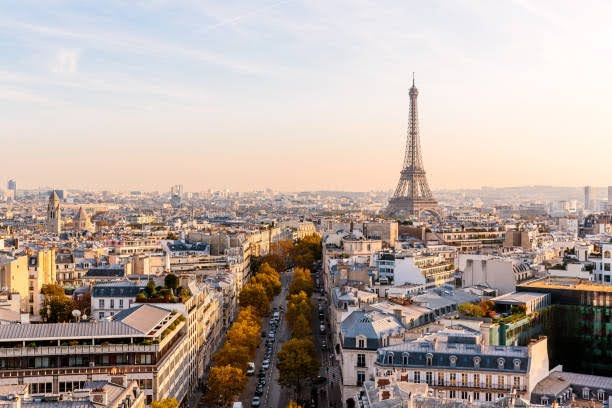
One of the other best school tour ideas in 2025 to the city is Paris, as this city plays a major role in art, history, architecture and the post-modern thought. Nicknamed the City of Light, Paris is more than just famous landmarks; it is a cultural and intellectual mecca where you can explore centuries of European history firsthand.
At the Louvre Museum, students can explore works of art from around the world to gain insight into how art has influenced politics, religion and philosophy; they may see famous pieces such as Mona Lisa and Venus de Milo. On the other side of the Seine, Musée d’Orsay takes a look at impressionism and industrial-era artistry against sumptuous setting back in time. The final stops are the Eiffel Tower, Notre-Dame and Arc de Triomphe, which completes the architectural journey over a broader history of Paris’ physical and symbolic realities.
Here students go beyond the galleries and monuments to experience live Parisian apartments through fashion, culinary arts and language workshops. A trip to Montmartre delves into historical talks of bohemian culture and artistic liberation, or literary walks on the streets along the Left Bank, Shakespeare and Company also remembering those who read books while promoting social revolutions. Rather, Paris is not only the destination but a way of experiencing Europe to capture the dynamics in their own historical and cultural moments.
Best Time to Visit:
April to June and September to October offer mild weather, open-air exhibitions, and fewer tourist crowds, making it ideal for educational walking tours.
Must-Visit Places:
- Louvre Museum – Explore global art from antiquity to the 19th century.
- Musée d’Orsay – Home to Impressionist and Post-Impressionist masterpieces.
- Eiffel Tower – Understand engineering, symbolism, and tourism in a global city.
- Palace of Versailles – Learn about absolutism, revolution, and architecture.
- Notre-Dame Cathedral – A study in Gothic design and cultural resilience.
Activities to Do:
- Participate in French cooking classes to understand culinary history and technique.
- Join perfume-making workshops in Grasse-inspired labs.
- Tour Montmartre and sketch scenes from the footsteps of Monet or Picasso.
- Cruise the Seine River while discussing urban planning and river ecology.
- Attend a live theatre performance or classical music concert for cultural immersion.
Local Cuisine to Try:
- Croissants – Flaky, buttery pastries enjoyed at breakfast.
- Crêpes – Sweet or savory pancakes filled with fruit, cheese, or Nutella.
- Baguettes with Cheese – Pair with Brie or Camembert for an authentic French snack.
- Ratatouille – A Provençal vegetable stew, perfect for discussing regional flavors.
- Macarons – Colorful almond-based treats often used in lessons on patisserie.
Educational Highlights:
Paris remains one of the most versatile and inspiring school tour ideas. It engages students in artistic appreciation, revolutionary history, global diplomacy, and cultural literacy. Whether in a museum, a cathedral, or a café, every moment in Paris has the power to educate, challenge, and inspire young minds.
14. Edinburgh: Discovering Castles and Science
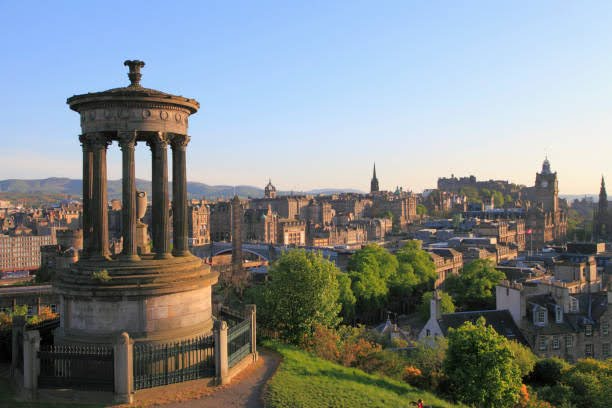
Edinburgh is a much more rewarding and high-brow school tour ideas for 2025, one that gives students the chance to relive medieval history alongside modern scientific discovery. Built on a volcanic rock and featuring gothic peaks, cobblestone lanes, the imprint of ancient monarchs upon its façade through to pioneering new tech and a Sci-Fi future just across on Leith; Scotland’s capital city gives students access to a whole realm of opportunities for learning.
Most tours start at Edinburgh Castle, which sits atop an ancient volcanic outcrop, and tell tales of royalty, battles and the forging of a unified nation. Through royal chambers, military museums and historical events that led to the United Kingdom as we know it. Tours of the Royal Mile recount the lives of its philosophers, poets, and rebels, opening up debates on politics, literature and social reform.
Our suggestions for school tour ideas are based on the unique commitment to science education that makes Edinburgh stand out among all others. Dynamic Earth takes students on a journey through time to explore the history of geology, climate change and how our planet was born. This learning continues at the National Museum of Scotland, where dinosaur fossils meet the latest in engineering. Toss in literary trails for Harry Potter, and hikes up Arthur’s seat for geology and biology perspectives you’ve popped out a well rounded cross curricular experience.
Best Time to Visit:
May to September is ideal for outdoor activities, clear skies, and events like the Edinburgh Festival Fringe.
Must-Visit Places:
- Edinburgh Castle – Explore Scottish royalty, weaponry, and national history.
- Royal Mile – A walk through centuries of architecture, culture, and storytelling.
- Dynamic Earth – Immersive science center focused on Earth’s natural history.
- National Museum of Scotland – From steam engines to ancient fossils, a multidisciplinary treasure trove.
- Camera Obscura and World of Illusions – Optical illusions meet historical technology.
Activities to Do:
- Take a guided tour of Edinburgh Castle with costumed interpreters.
- Participate in Earth science workshops at Dynamic Earth.
- Explore local flora at the Royal Botanic Garden for biology fieldwork.
- Join literary walking tours tracing J.K. Rowling’s inspirations.
- Hike Arthur’s Seat and learn about volcanic formations and urban ecology.
Local Cuisine to Try:
- Haggis – Traditional dish made from sheep’s offal, oats, and spices.
- Cullen Skink – A rich soup of smoked haddock, potatoes, and onions.
- Shortbread – Buttery cookies with a simple and historic Scottish recipe.
- Tablet – A crumbly, sweet fudge-like confection.
- Cranachan – Whipped cream, whisky, oats, and raspberries, served as a dessert.
Educational Highlights:
Edinburgh shines among school tour ideas for its ability to integrate science, literature, and history within a walkable, student-friendly environment. Whether debating ethics in a medieval courtroom, conducting climate experiments, or retracing the footsteps of famous authors, students leave Edinburgh with both knowledge and inspiration.
15. Barcelona: Admiring Gaudí and the Coast
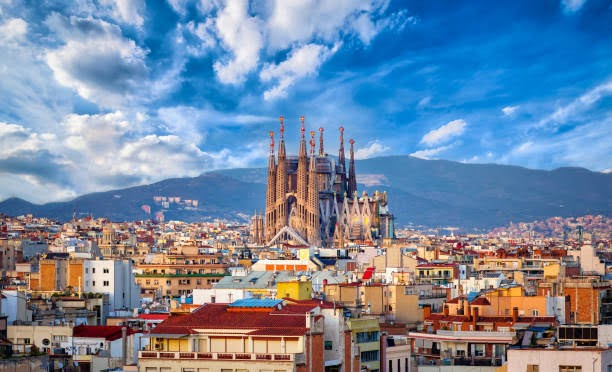
One of the 2025 school tour ideas that captivate our senses thanks to its Mediterranean energy, the modern-planned architecture and rich history as well as artistic expression are in Barcelona. This Catalonian capital is where the revolutionary thought of Antoni Gaudí transformed a city into something wholly and wonderfully its own. which offers design students, urban planners, and culture buffs an unheralded touch of paradise.
School groups frequently start at La Sagrada Família (the still-unfinished basilica built by Gaudí), where Gothic meets surrealist imagination. Across the way, Park Güell showcases whimsical mosaics and quirky structures that inspire a conversation regarding biomimicry and sustainable design. Not only are they breathtaking sights to experience, but these landmarks also serve as showcases of how architectural design can embody philosophical and environmental values.
But there is more to Barcelona than Gaudí or Beus. Students wander around Roman ruins, medieval cathedrals and lively plazas of human statues in the Gothic Quarter. Picasso lovers will head to the Picasso Museum to find out about his formative years, and there are cooking and sustainability workshops that look at Spanish traditions of food and farming in a fun (and edible) way. There are very few school trip ideas that combine beauty, learning and some beachside fun like Barcelona does.
Best Time to Visit:
April to June and September to October, when the weather is pleasant and ideal for outdoor exploration.
Must-Visit Places:
- La Sagrada Família – Iconic basilica showcasing Gaudí’s visionary design and engineering.
- Park Güell – Whimsical park with panoramic views, art, and architecture.
- Gothic Quarter (Barri Gòtic) – Roman walls, medieval lanes, and vibrant local life.
- Picasso Museum – Explore Picasso’s early work and connection to Barcelona.
- Barceloneta Beach – Blend marine ecology lessons with recreation and local culture.
Activities to Do:
- Join guided architecture tours focused on Gaudí and Catalan Modernism.
- Participate in mosaic art or sustainability workshops.
- Explore food markets like La Boqueria and cook regional specialties like paella.
- Take bike tours through beach districts, historic areas, and modern eco-neighborhoods.
- Visit local farms or gardens to learn about Mediterranean agriculture.
Local Cuisine to Try:
- Paella – Rice dish with seafood, vegetables, or chicken.
- Tapas – Small plates meant for sharing, perfect for tasting variety.
- Churros con Chocolate – Fried dough served with thick hot chocolate.
- Escalivada – Grilled vegetables marinated in olive oil.
- Crema Catalana – A rich custard dessert with caramelized sugar on top.
Educational Highlights:
Barcelona is one of the best school tour ideas for integrating creativity, history, and coastal ecology. From Gaudí’s dreamlike structures to the traditions of Catalan cuisine and modern urban sustainability, it offers students a vibrant, hands-on learning experience that engages both intellect and imagination.
16. Amsterdam: Cycling Through History and Ideas
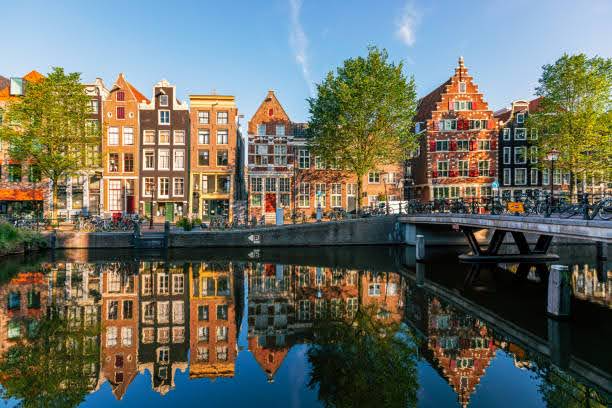
One of the most forward-thinking, experiential school tour ideas in 2025 is Amsterdam as it teaches students historical as well as practical lessons on tolerance, water management, and art. That these elements can and should co-exist is a fitting concept in the Dutch capital itself — an urban network of canals blended neatly with cycle lanes, historical treasures getting along with future-forward hopes. A great option for class groups looking for a field trip to learn about civic design, social justice, and environmental innovation.
In a field trip the educational journey begins by allowing students to walk into the secret annex that housed a young girl during Nazi occupation. The museum experience creates understanding, empathy, and discourse on human rights and the perils of prejudice. Next up, the Rijksmuseum and Van Gogh Museum broaden artistic horizons from the marvels of murals to mental snapshots dating back centuries.
I can learn from Amsterdams cycling infrastructure itself. The best way to introduce students to safe, sustainable urban mobility is by having them navigate the city through bike. A trip to the NEMO Science Museum and workshops on typical Dutch water management systems, such as dikes and canals, displays public works innovation. Amsterdam simply excels in active, hands-on means of learning among school tour ideas.
Best Time to Visit:
April to October, with springtime offering blooming tulips and warm weather ideal for cycling and canal exploration.
Must-Visit Places:
- Anne Frank House – Holocaust history told through the powerful lens of one young writer.
- Rijksmuseum – Dutch art and history including works by Rembrandt and Vermeer.
- Van Gogh Museum – Explore the life and mind of one of history’s most emotional artists.
- NEMO Science Museum – Interactive exhibits on energy, chemistry, and innovation.
- Canal Belt (Grachtengordel) – Learn about urban planning, trade, and sustainability.
Activities to Do:
- Take a guided canal cruise with lessons on Dutch history and water engineering.
- Join a cycling tour to study transportation, city planning, and environmental policy.
- Participate in interactive science experiments at NEMO.
- Explore the Dutch Golden Age through museum workshops or reenactments.
- Attend a tulip farm or windmill visit to understand agriculture and energy production.
Local Cuisine to Try:
- Stroopwafel – Two thin waffles sandwiched with caramel syrup.
- Poffertjes – Small, fluffy pancakes dusted with powdered sugar.
- Haring – Raw herring served with onions and pickles, often eaten in one bite.
- Dutch Cheese (Gouda, Edam) – Sampled with bread or at local markets.
- Bitterballen – Fried meat-based snack, commonly served with mustard.
Educational Highlights:
Amsterdam ranks high among school tour ideas that emphasize active citizenship, innovation, and global history. The city empowers students to explore difficult topics like the Holocaust and colonization while also demonstrating practical solutions for sustainability and urban life. It’s a model for learning that’s immersive, respectful, and always moving forward.
Region: Asia
Asia’s Essential School Tour Ideas
With high-rise cities and historical temples, to tropical rainforests, coral reefs and multi-cultural capitals, these school tour ideas in Asia for 2025 offer an array of exotic destinations to select from that combine education with inspiration and adventure. This vast region provides an opportunity for students to experience everything from the robotics labs of Tokyo and smart sustainability in Singapore, through to the deep spiritual traditions of Delhi and Kyoto. From examining biodiversity in the streets of Hanoi to cultural resilience in the bushes of Malaysia, or technological innovation in downtown Seoul and Dubai, every single destination provides an experiential learning link between academia and reality.
17. Singapore: Studying a Sustainable City
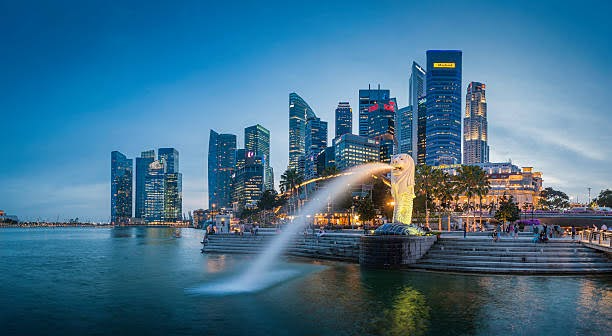
Singapore is one of the best school tour ideas in 2025, Where Singapore a small island, but hosts multiple cultures, so here you can combine school safety with multicultural experience. As a crossroads of East and West, this city-state mixes futuristic urban development with vestiges of ancient traditions making for the perfect laboratory for students keen to learn about innovation, sustainability, and global citizenship.
In Marina Bay, the future of city living is clear: think towering green rimmed with white at the Marina Bay Sands, Supertree Grove and ArtScience Museum as design meets sustainability meets tech to forge Singapore’s idea of a smart city. Of the experiences on offer, students may investigate climate change solutions at Gardens by the Bay, eco-friendly buildings and participate in workshops that touch on urban farming, clean energy and water recycling – all important areas of Singapore’s national development.
Cultural and Social Education: The tour to Chinatown, Little india and Kampong Glam also enables students to know more about different ethnic plus religious coexistence among the community. Key cultural institutions like the Asian Civilisations Museum or National Gallery Singapore help shed light on Southeast Asian history and make its art accessible. In addition to this, many schools facilitate English-language immersion camps, STEM workshops and innovation-focused challenges which makes Singapore well-played nation in the global school tour ideas.
Best Time to Visit:
February to April offers the best weather and coincides with major cultural festivals and school break periods.
Must-Visit Places:
- Gardens by the Bay – Iconic vertical gardens, environmental workshops, and sustainability exhibits.
- Marina Bay Sands & ArtScience Museum – Explore architecture, technology, and future-forward exhibits.
- Chinatown, Little India, Kampong Glam – Discover Singapore’s multicultural harmony.
- Science Centre Singapore – Hands-on learning in robotics, astronomy, and physics.
- National Gallery & Asian Civilisations Museum – Art, heritage, and Southeast Asian identity.
Activities to Do:
- Join STEM or AI innovation camps tailored for international students.
- Take urban sustainability tours exploring water recycling and waste management.
- Participate in cultural heritage workshops, such as batik painting or spice blending.
- Explore biodiversity at the Singapore Zoo, River Wonders, or Sungei Buloh Wetland Reserve.
- Enjoy team challenges and learning games at educational centers like KidZania or Sentosa’s Adventure HQ.
Local Cuisine to Try:
- Hainanese Chicken Rice – Singapore’s national dish, simple yet flavorful.
- Laksa – Spicy noodle soup with coconut milk and seafood.
- Char Kway Teow – Stir-fried noodles with eggs, sausage, and bean sprouts.
- Kaya Toast with Soft-Boiled Eggs – A popular local breakfast staple.
- Chili Crab – Singapore’s iconic seafood dish, perfect for group dining.
Educational Highlights:
Singapore ranks among the top school tour ideas for offering cutting-edge educational infrastructure in a globally connected, culturally diverse environment. It’s a living model of how cities can be clean, safe, green, and smart. Students leave Singapore inspired by its balance of discipline, innovation, and inclusiveness—values that prepare them for the challenges of tomorrow.
Do You Know About Our Summer Camps in Singapore?
Embassy Camps’ summer programs in Singapore offer an exceptional blend of education and adventure, designed to equip students with essential skills for the future. These camps provide a unique opportunity for students to enhance their English proficiency through immersive experiences with native-speaking instructors. Beyond language skills, participants engage in activities that foster leadership, teamwork, and innovation, including AI applications, business startup projects, and mental arithmetic. Set against the backdrop of Singapore’s rich multicultural heritage and modern infrastructure, the camps include guided excursions to iconic landmarks such as Gardens by the Bay and the ArtScience Museum. With a strong emphasis on safety and personal growth, Embassy Camps ensure a supportive environment where students from over 30 nationalities come together to learn and thrive.
Discover more about these transformative experiences at Embassy Camps – Summer Camps in Singapore.
18.Tokyo: Merging Tech and Temples
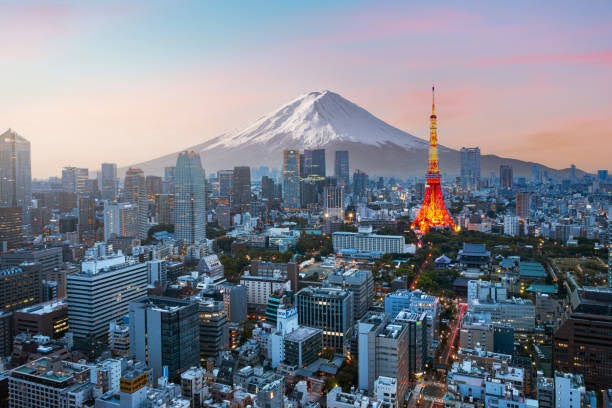
In 2025, Tokyo is one of the best school tour ideas since is probably one of the most futuristic and cultured places. With a mix of high-tech cities, ancient traditions and an appreciation for order, respect, and education, Japan is like no other place on Earth. These travel experiences are cultural immersions, but also offer important lessons in discipline, innovation and harmony — which extends to the easiest way of getting around during a tour of Tokyo.
Start in Asakusa with the ancient temples of Sensō-ji, one of which is Tokyo’s oldest temple and students see first hand how Shinto and Buddhist ideals continue to influence daily life. As they walk along Nakamise Street, they pick up on Edo-era customs, local handiwork and temple manners. At the same time, San Francisco’s picturesque setting in California becomes a part of discussions about the Gold Rush, Civil Rights and marriage rights while Tokyo with its Imperial Palace (presumed to have been around since 15th century) and historic neighborhoods like Yanaka backdrops our understanding of Japanese feudalism, Meiji modernization all the way to their post-war reconstruction.
The sharp contrast that follows? Modern day Tokyo and its districts, like Akihabara and Shibuya where robotics, gaming and technology are at the helm. The National Museum of Emerging Science and Innovation (Miraikan) which are home for artificial tech, environmental sustainability technology as well as space exploration. With the sort of synergy in heritage and technology seen in few school tour ideas, Tokyo is as a cross-curricular learning experience that touches on history, ethics, STEM & culture.
Best Time to Visit:
March to May (cherry blossom season) and October to November (autumn foliage) offer beautiful scenery and comfortable weather.
Must-Visit Places:
- Sensō-ji Temple – Tokyo’s most iconic temple and gateway to cultural understanding.
- Miraikan Science Museum – Explore robotics, AI, and space exploration through interactive exhibits.
- Akihabara & Shibuya – Study pop culture, consumer behavior, and tech trends.
- Imperial Palace – Insight into monarchy, history, and traditional Japanese landscaping.
- TeamLab Planets – A digital art museum that challenges perceptions of space, color, and interactivity.
Activities to Do:
- Join tea ceremony classes and learn about Japanese etiquette and mindfulness.
- Participate in robotics and coding workshops at local innovation centers.
- Take a manga drawing or calligraphy class to blend art with narrative structure.
- Visit a school or university to exchange ideas with Japanese students.
- Use public transport (including the bullet train) as a case study in urban efficiency.
Local Cuisine to Try:
- Sushi – Fresh seafood served with vinegared rice.
- Ramen – Noodle soup with rich broth and toppings like egg, pork, and seaweed.
- Okonomiyaki – A savory pancake filled with vegetables, meat, and seafood.
- Onigiri – Rice balls wrapped in seaweed with assorted fillings.
- Mochi – Chewy rice cakes often eaten as dessert or festival treats.
Educational Highlights:
Tokyo represents one of the most multidimensional school tour ideas, blending the serenity of tradition with the thrill of cutting-edge innovation. Students not only witness a culture rooted in respect and order but also interact with technologies shaping tomorrow’s world. It’s a destination that makes students more mindful, curious, and globally aware.
19. Xi’an: Meeting the Terracotta Warriors
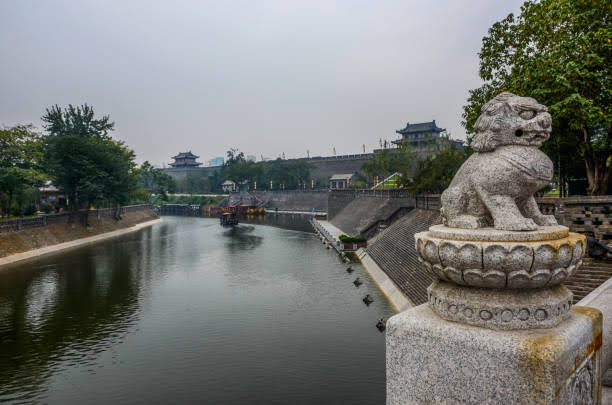
An educational tour of Xi’an represents one of the best school tour ideas for 2025, as it allows students to delve back in time and explore the origins of Chinese civilization. Terracotta Army in Xi’an Dating back to thousands of years ago, from ancient Eurasia culture exchange road to the city with multi-dynasty capital night, all these endowed Xi’an historical and archaeological cultural connotations million years live classroom.
The tour of a lifetime for most students is definitely the Terracotta Army, sculpted life-sized clay soldiers who guard the tomb of China’s first emperor, Qin Shi Huang. Visitors are taken on guided tours of the excavation pits and museum where they learn about how the mausoleum was constructed, the workmanship involved in creating the figures, and China’s first unification under Qin Dynasty. It is a powerful doorway through which we can have deeper public conversations about the history of empire, culture and innovation.
Students can also bike or walk along the ramparts of the Ancient City Wall, one of best-preserved fortifications in China, other than to see that site and the Terracotta Warriors. Exploring here means experiencing one of the most comprehensive education encounters in religion, art, trade and multiculturalism: from visiting the Big Wild Goose Pagoda to learning about themuslims in muslim quarter. For school tour ideas, Xi’an is an expansive, one-pulse location with a rich cultural narrative that links the past with present China.
Best Time to Visit:
March to May and September to November, when the weather is comfortable and outdoor exploration is ideal.
Must-Visit Places:
- Terracotta Army – One of the greatest archaeological discoveries of the 20th century.
- Ancient City Wall – Offers panoramic views and historical insights into urban defense.
- Big Wild Goose Pagoda – A key site in the spread of Buddhism and Chinese calligraphy.
- Muslim Quarter – A vibrant mix of culture, trade, and food tracing Silk Road influence.
- Shaanxi History Museum – Houses artifacts from every major Chinese dynasty.
Activities to Do:
- Take part in pottery-making workshops inspired by Terracotta Warrior techniques.
- Bike atop the Ancient City Wall for a unique perspective of urban design.
- Join calligraphy or shadow puppet-making classes to explore ancient arts.
- Explore local markets to study trade patterns, bartering, and regional goods.
- Attend a traditional Tang Dynasty music and dance performance.
Local Cuisine to Try:
- Biangbiang Noodles – Wide, hand-pulled noodles known for their chewy texture and spicy sauces.
- Roujiamo – Often called the “Chinese hamburger,” filled with slow-cooked meat.
- Yangrou Paomo – Lamb stew with crumbled flatbread, a local specialty
- Cold Noodles (Liangpi) – A refreshing and spicy street food dish.
- Persimmon Cakes – Sweet fried pastries made from fresh persimmons.
Educational Highlights:
Xi’an is among the most immersive historical school tour ideas available, making it perfect for students studying ancient civilizations, archaeology, and Asian history. The city brings textbooks to life with monumental ruins, interactive museums, and cultural experiences that reveal the complexity and continuity of China’s evolution.
20. Malaysia: Discovering Multicultural Harmony
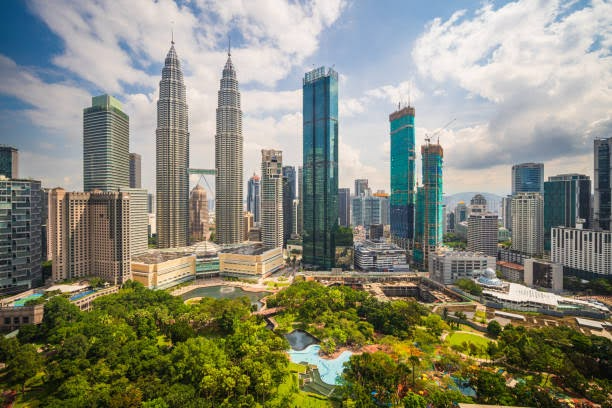
Malaysia is one of the most diverse and enriching school tour ideas in 2025, as students can get a chance to study diversity of tropical biodiversity, colonial history together with multicultural co-existence in a single itinerary. An exciting fusion of new cities, ancient rainforests, and coastal ecosystems means students can experience learning without walls on a cross-curricular trip to Malaysia.
YTL hotels School trips typically start in Kuala Lumpur, where visits include the Petronas Twin Towers and Islamic Arts Museum to give you lessons on architecture, design and Southeast Asian art. Hindu traditions and natural geology can be found at Batu Caves while heritage walks through Merdeka Square and Chinatown provide insights into the colonial and trade history of Malaysia. A science lover will enjoy access to STEM experiences in the capital with wonderful Science centers and urban sustainability projects.
Ideas such as the Langkawi Geopark or Borneo rainforest help create eco study with schooling students in the field of ecology, conservation and indigenous cultures. Trips to marine parks, mangroves and tea plantations broadens an agricultural and environmental view. Malaysia should definitely be one of the top ten school tour ideas, simply because it is an international destination that combines urban experience with historical and environmental education.
Best Time to Visit:
March to early October in Peninsular Malaysia, or March to September for Borneo, to avoid the heaviest monsoon rains.
Must-Visit Places:
- Kuala Lumpur – Petronas Towers, Islamic Arts Museum, Batu Caves.
- Langkawi Geopark – UNESCO site rich in geological and ecological learning.
- Penang – George Town’s colonial architecture and street art.
- Borneo – Rainforest biodiversity and indigenous communities.
- Cameron Highlands – Tea plantations, agriculture, and cool-climate ecosystems.
Activities to Do:
- Conduct biodiversity surveys in mangrove forests or coral reefs.
- Take part in cultural cooking classes featuring Malay, Chinese, and Indian dishes.
- Explore urban sustainability projects in Kuala Lumpur.
- Learn batik-making or traditional craft techniques from local artisans.
- Visit tea plantations and study the agricultural process from leaf to cup.
Local Cuisine to Try:
- Nasi Lemak – Coconut rice with sambal, anchovies, peanuts, and boiled eggs.
- Satay – Skewered, grilled meat served with peanut sauce.
- Char Kway Teow – Stir-fried flat noodles with seafood and soy sauce.
- Roti Canai – Flaky flatbread served with curry.
- Teh Tarik – Frothy pulled tea, a Malaysian cultural staple.
Educational Highlights:
Malaysia offers one of the most versatile school tour ideas, bridging science, history, and culture. Students not only learn about Southeast Asia’s biodiversity and heritage but also experience firsthand the social harmony of a nation shaped by multiple ethnic and religious influences. It’s an educational adventure that encourages environmental awareness, cultural respect, and global thinking.
Do You know About our Summer camps in Malaysia?
Embassy Camps’ summer programs in Malaysia offer an exceptional blend of education and adventure, designed to equip students with essential skills for the future. These camps provide a unique opportunity for students to enhance their English proficiency through immersive experiences with native-speaking instructors. Beyond language skills, participants engage in activities that foster leadership, teamwork, and innovation, including AI applications, business startup projects, and mental arithmetic. Set against the backdrop of Malaysia’s rich multicultural heritage and modern infrastructure, the camps include guided excursions to iconic landmarks such as the Batu Caves and Petrosains Science Discovery Centre. With a strong emphasis on safety and personal growth, Embassy Camps ensure a supportive environment where students from over 30 nationalities come together to learn and thrive.
Discover more about these transformative experiences at Embassy Camps – Summer Camps in Malaysia.
21. Kyoto: Exploring Samurai and Serenity
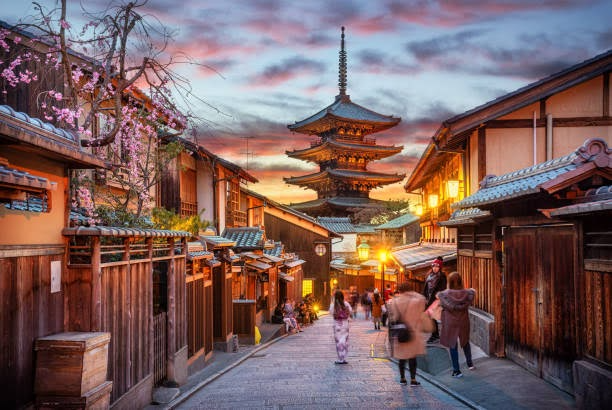
One of the most serene and culturally-aligned school tour ideas in Kyoto : to give your students an exclusive introduction to Japans heritage, art and spiritual values. The imperial capital for over a thousand years, Kyoto is a living museum of temples, tea houses, gardens, and lively seasonal festivals. This is the ideal place for you if you want to see how ancient traditions survive in a modern country.
In Kyoto, students engage in the symbolism behind architectural design and aesthetics of Japanese philosophy on a tour which usually kick starts during their school trip to Kinkaku-ji (the Golden Pavilion). Upon following thousands of bright crimson torii gates along a sacred Shinto pathway at Fushimi Inari Taisha, students learn about religion, folklore and the cultural symbolism surrounding being Japanese in Japan. Gion, the geisha district in Kyoto, captures another side of Japanese culture with its emphasis on the performing arts, manners and hostessing.
The hands-on experience, being able to attend tea ceremonies and kimono dressing, as well as ikebana (flower arrangement) classes are concrete manifestations of what is learned with the textbooks of concepts. There are not many school tour ideas that can put students among a nation’s cultural identity in such a serene, reflective learning space.
Best Time to Visit:
March to May for cherry blossoms, and October to November for autumn foliage—both ideal for outdoor temple and garden visits.
Must-Visit Places:
- Kinkaku-ji (Golden Pavilion) – Iconic Zen temple with exquisite gardens.
- Fushimi Inari Taisha – Famous for its endless red torii gates.
- Gion District – Explore geisha culture, tea houses, and traditional architecture.
- Arashiyama Bamboo Grove – A natural wonder and lesson in environmental preservation.
- Nijo Castle – UNESCO-listed site reflecting samurai-era politics and design.
Activities to Do:
- Participate in a Japanese tea ceremony and learn its cultural significance.
- Take calligraphy or origami workshops in traditional settings.
- Stroll through gardens and study their design principles.
- Experience kimono fitting and understand its historical context.
- Join cultural lectures on Shinto and Buddhist practices.
Local Cuisine to Try:
- Kaiseki Ryori – Multi-course haute cuisine, reflecting seasonal and regional produce.
- Matcha Desserts – From ice cream to pastries made with powdered green tea.
- Yudofu – Hot tofu dish often served near temple districts.
- Nishin Soba – Buckwheat noodles topped with herring.
- Yatsuhashi – Cinnamon-flavored sweets, a Kyoto specialty.
Educational Highlights:
Kyoto is a standout among school tour ideas for its ability to transport students into Japan’s cultural and spiritual heritage. Through temples, traditions, and hands-on activities, students gain a deep appreciation for how history, philosophy, and artistry intertwine in everyday life. It is an experience that fosters mindfulness, respect, and cultural understanding.
22. Delhi: Experiencing India’s Past and Present
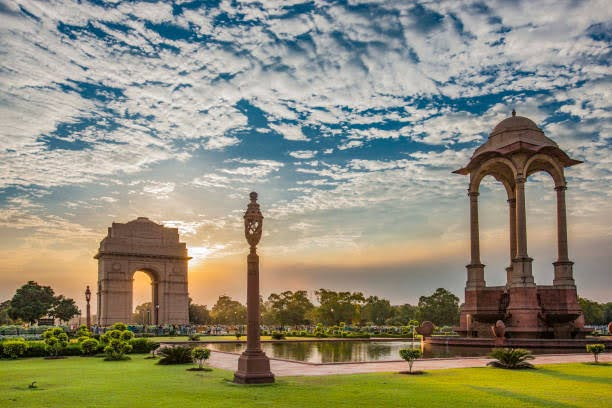
There is no better metaphor of this than Delhi, one of the richest and deepest school tour ideas, for children to feel India’s historical heavy-hitters, from days of dynasties to a colonial masterplan slipping under transformationDemocrats have long attacked Trump on the issue but most other Republicans. Delhi The capital of the nation, Delhi is no less than a living history book and an icon for political, cultural and educational pursuits. For students, it is a great alternative to discover how ancient traditions blend with urban speed.
For example, a school tour might include a trip to Red Fort, UNESCO World Heritage Site emblematic of Mughal architectural grandeur and Indian freedom struggle. Close to there, Jama Masjid which is one of the oldest Mosques in India will give you a glimpse of Islamic Art, Architecture and Community Life. The Raj Ghat memorial provides students with an introduction to Mahatma Gandhi’s heritage and philosophy of non-violence, facilitating reflection on peace studies and civic practice.
A new level of study is introduced when it comes to modern Delhi. Trips to the India Gate, Parliament House and other museums help in providing a political and civic education; on the other hand crowded markets such as Chandni Chowk, become an opportune site for studying commerce, urban planning and cultural diversity. Delhi is one of few school tour ideas where students can explore more than thousand years of history in one city.
Best Time to Visit:
October to March, when the weather is pleasant and suitable for outdoor exploration.
Must-Visit Places:
- Red Fort – Mughal architecture and history of India’s independence movement.
- Jama Masjid – Icon of Islamic art and a hub of cultural activity.
- Raj Ghat – Memorial dedicated to Mahatma Gandhi’s life and teachings.
- India Gate – War memorial with connections to colonial and modern history.
- Qutub Minar – Tallest brick minaret in the world and a masterpiece of Indo-Islamic architecture.
Activities to Do:
- Take guided heritage walks through Old Delhi’s narrow lanes.
- Attend a lecture or workshop on India’s freedom movement.
- Explore Delhi’s museums, such as the National Museum or Crafts Museum.
- Participate in community service programs or school exchanges.
- Visit craft markets to learn about India’s artisanal traditions.
Local Cuisine to Try:
- Chole Bhature – Spiced chickpeas served with fluffy fried bread.
- Paratha – Stuffed flatbread served with yogurt and pickles.
- Butter Chicken – Creamy curry dish paired with naan or rice.
- Gol Gappa (Pani Puri) – Crisp hollow shells filled with spicy water and potatoes.
- Jalebi – Sweet fried spirals soaked in sugar syrup.
Educational Highlights:
Delhi offers one of the most diverse school tour ideas for combining political, cultural, and historical education. Students not only learn from its monuments and museums but also engage with its living culture—whether through markets, religious sites, or conversations with local communities. The city’s contrasts make it an unforgettable and intellectually rich destination.
23. Seoul: Diving Into Tech and Tradition

Seoul One of the more compelling school tour ideas is to take your students on a journey through Seoul, a city where centuries-old traditions rubs shoulders with world-class innovation. Well known for history, technology and pop culture, Seoul is South Korea’s capital and a lively place to study everything from politics to the media.
Seoul school trip start from Gyeongbokgung Palace which is known for the ceremony of the changing of the royal guard and Joseon Dynasty era architecture. The National Museum of Korea is a good place to get an overview of the city’s long-standing cultural legacy through its exhibits of millennial-old artifacts. At the Bukchon Hanok Village, kids can explore preserved hanok houses and get an idea of traditional Korean artisanship, family hierarchies, daily life and community practices.
That contrasts powerfully with modern Seoul. Students head to the Digital Media City or the Samsung Innovation Museum to learn how South Korea is leading robotics, AI, and communications technology. Example modern youth culture activities include K-pop dance workshops and street food tours, as well as visits to lively districts such as Myeongdong. Seoul has among one of the best school tour ideas because it is richer in heritage with equal opportunities towards future hence immersive lessons of two kinds can be offered to students.
Best Time to Visit:
March to May for cherry blossoms, or September to November for pleasant weather and autumn colors.
Must-Visit Places:
- Gyeongbokgung Palace – Historical architecture and royal traditions.
- Bukchon Hanok Village – Traditional homes and artisan culture.
- National Museum of Korea – Artifacts from Korea’s earliest history to modern times.
- Samsung Innovation Museum – Technology and innovation displays.
- N Seoul Tower – Panoramic city views and lessons in urban geography.
Activities to Do:
- Participate in a hanbok dress-up session and tea ceremony.
- Take a guided tour of the Korean Demilitarized Zone (DMZ).
- Join robotics or digital media workshops.
- Attend a K-pop dance or music production class.
- Explore street food markets like Gwangjang Market.
Local Cuisine to Try:
- Bibimbap – Rice bowl with vegetables, meat, and spicy sauce.
- Tteokbokki – Spicy rice cakes in chili sauce.
- Kimchi – Fermented vegetables served at nearly every meal.
- Samgyeopsal – Grilled pork belly eaten with lettuce wraps.
- Hotteok – Sweet pancakes with cinnamon and nut fillings.
Educational Highlights:
Seoul is one of the most versatile school tour ideas for students who want to explore both the roots of a nation and its global influence. From royal palaces and ancient traditions to world-leading tech industries, Seoul offers a dynamic environment for experiential learning that encourages creativity, adaptability, and cultural appreciation.
24. Bangkok: Navigating Temples and Markets
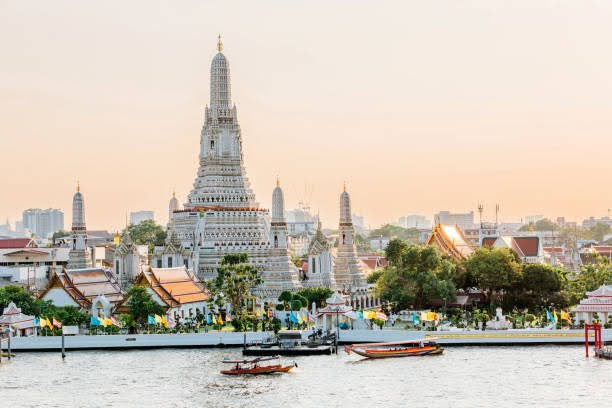
In 2025, school tour ideas are most colorful and vibrant in nature Bangkok is one of them offering numerous hues of cultural heritage, commerce and religious tradition to the students. It is Thailand’s capital, that is a historical gateway and a modern metropolis, ancient temples rub shoulders with sky-scrapers and bustling markets. It is a great place to learn about the history, art, trade and daily life of this large area in Southeast Asia.
School trips to Bangkok School tours of Bangkok also commonly include visits house in centuries old palaces like Wat Pho and the Grand Palace, offering an insight into the artistry, architecture, as well as unique symbols found throughout Thai Buddhism. Not only is it the Temple of Reclining Buddha, Wat Pho itself is regarded as a major centre for traditional Thai Massages and also characteristic Thai Medicine. The Grand Palace, former residence of the monarchy is a real insight for students to get know Thailand she history and craft heritage.
Otherwise, it is a lesson in trade and urban life.More than of temples. How Bangkok Grew Around Its Water — A boat trip along the Chao Phraya River offers insight into how waterways have determined its expansion and development. Students can see the art of commerce at work in the white-knuckle trade-off of the Chatuchak Weekend Market, and culinary tours introduce them to the flavors and textures of this rich cuisine. Bangkok is an exciting school tour offering combining interactive cultural learning and vibrant city exploration.
Best Time to Visit:
November to February, when temperatures are cooler and outdoor touring is more comfortable.
Must-Visit Places:
- Grand Palace – Iconic royal complex with ornate temples and history.
- Wat Pho – Famous for the Reclining Buddha and traditional Thai medicine.
- Wat Arun – Riverside temple known for its stunning architecture.
- Jim Thompson House – Museum on Thai silk and cultural preservation.
- Chatuchak Weekend Market – A massive marketplace ideal for studying trade and crafts.
Activities to Do:
- Take a river cruise to study Bangkok’s waterways and urban geography.
- Join a Thai cooking class to explore culinary traditions.
- Learn traditional Thai dance or music at cultural centers.
- Visit local schools for cultural exchange programs.
- Explore floating markets for lessons in commerce and community life.
Local Cuisine to Try:
- Pad Thai – Stir-fried noodles with shrimp, peanuts, and bean sprouts.
- Green Curry – Spicy coconut-based curry with vegetables and meat.
- Mango Sticky Rice – Sweet glutinous rice served with fresh mango.
- Som Tum – Spicy green papaya salad.
- Tom Yum Goong – Hot and sour shrimp soup.
Educational Highlights:
Bangkok is one of the most well-rounded school tour ideas in Southeast Asia, combining history, spirituality, and economic studies. Students leave with a deeper understanding of Thai culture, regional trade, and how traditions adapt in a rapidly developing urban environment.
Region: Middle East & Africa
Africa’s Dynamic School Tour Ideas
Africa & The Middle East have some of the most eye-opening school tour ideas — where ancient civilizations, cultural resilience, and game-changing innovation meet. From the markets of Cairo to Mandela Square in Cape Town, from the new skyscrapers of Dubai to East Africa, the region offers an up close and personal perspective on ancient history, world events and conservation. These places kindle conversations about equity, identity, hope and resilience — each step a tutorial in empathy, vantage — gazing and potential.
26. Dubai: Exploring Innovation in the Desert
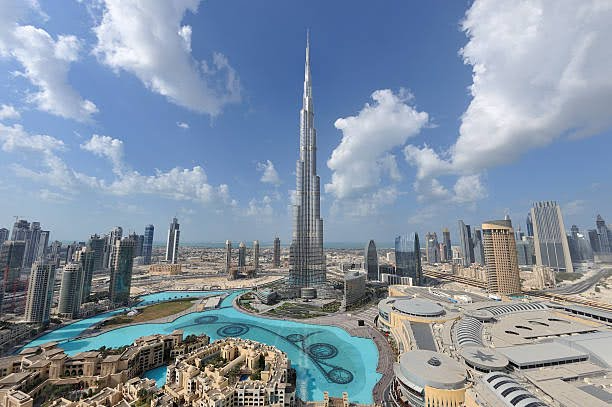
One of the key school tour ideas of 2025 is Dubai; never in history has a city offered such a range of fast urbanisation, futuristic tech and multiculturalism for students to study. While Dubai is known for its record-breaking architecture and innovative projects, it also proudly preserves its heritage with restored neighborhoods, museums and cultural centres. In essence, it is a place where students can examine tradition and modernity in an international context.
A school tour of Dubai can include the Burj Khalifa, the tallest building in the world and an exhibit illustrating everything from engineering acumen to experience about metropolitan planning as well as financial reinvention. Dubai Museum and the Al Fahidi Historical Neighborhood tell some of this history, including how the city began as a center for pearl diving and trading. Stepping back in time Dowtown for the Dubai Creek & bustling souks offers a vibrant context into trade routes, commodities and cultural exchange.
The Museum of the Future has interactive displays on science and technology like AI, robotics, space exploration and sustainability. Meanwhile, educational desert safaris enable the students to learn about desert ecosystems and Bedouin traditions; trips to Expo City Dubai meanwhile exposes them the global co-operation & innovation. DUBAI It is a 21st century mirage amidst the living history of centuries.
Best Time to Visit:
November to March, when the weather is cooler and ideal for outdoor excursions.
Must-Visit Places:
- Burj Khalifa – Engineering marvel and symbol of Dubai’s transformation.
- Museum of the Future – Hands-on learning in science, technology, and sustainability.
- Dubai Museum & Al Fahidi Historical Neighborhood – Explore Dubai’s history and heritage.
- Dubai Creek & Souks – Lessons in trade, economics, and cultural exchange.
- Expo City Dubai – Exhibits on innovation, global collaboration, and sustainable development.
Activities to Do:
- Take a guided desert safari to study biodiversity and Bedouin culture.
- Join an innovation workshop at the Museum of the Future.
- Visit a traditional dhow shipyard to learn about maritime history.
- Explore theme-based pavilions at Expo City Dubai.
- Participate in architecture-focused walking tours.
Local Cuisine to Try:
- Machboos – Spiced rice with meat or fish.
- Luqaimat – Sweet fried dumplings drizzled with date syrup.
- Shawarma – Middle Eastern wrap popular in Dubai.
- Harees – Slow-cooked wheat and meat dish.
- Camel Milk Ice Cream – A unique desert-inspired treat.
Educational Highlights:
Dubai is among the most dynamic school tour ideas for teaching students about global business, sustainable city planning, and cultural diplomacy. Its blend of modern infrastructure and traditional heritage creates an educational environment where the future and the past are in constant conversation.
Do You Know About Our Summer Camps in Dubai?
Embassy Camps’ summer programs in Dubai offer an unparalleled fusion of education and excitement, set against the backdrop of one of the world’s most dynamic cities. Designed for students aged 9 to 17, these camps focus on mastering English proficiency, leadership development, and cutting-edge technological skills, including artificial intelligence and virtual reality. Participants engage in interactive workshops and hands-on projects that foster creative problem-solving and critical thinking. Beyond the classroom, students explore Dubai’s iconic landmarks, such as the Museum of the Future and the Miracle Garden, providing a rich cultural immersion. With a commitment to safety and personal growth, Embassy Camps create a supportive environment where students from diverse backgrounds come together to learn, innovate, and build lifelong friendships.
Discover more about these transformative experiences at Embassy Camps – Summer Camps in Dubai.
27. Cape Town: Learning From Apartheid to Nature
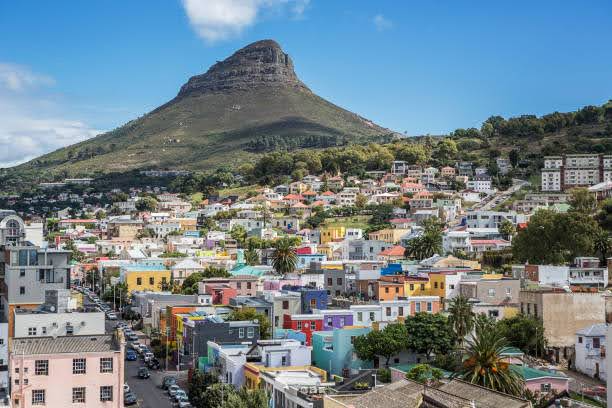
Cape Town is surely a motivation in the list of school tour ideas for 2025, serving an exceptional blend to any nature lover, historically enthralled pupil and individual interested in learning social transformation. The city located between Table Mountain and the Atlantic Ocean is a setting for studies in both biodiversity and colonial history — as well as South Africa’s evolution toward democracy.
A typical school tour opens up with a journey to Robben Island–the place where students get to understand about the struggle of apartheid in South Africa and Nelson Mandela being incarcerated. The District Six Museum, which narrates the story of Assad Fritz who preached love over violence as a victim of displacement during apartheid, juxtaposed nicely with this profound experience. Sites like these allow students to move from a theoretical understanding of human rights, justice and reconciliation to a more embodied one.
There is also no equal for environmental education in Cape Town. And with the end of the day, we went up Table Mountain by cable car to introduce lessons in geology and botany and conservation and then a trip to Kirstenbosch National Botanical Garden showing off South Africa´s unique flora. Experience marine ecosystems to penguins colonies, and environmental protection management in coastal trips out to Cape Point and Boulders Beach. Cape Town is a favourite among school tour ideas as it offers the perfect combination of delving into history, culture AND nature all in one.
Best Time to Visit:
November to March for warm, sunny weather ideal for outdoor exploration.
Must-Visit Places:
- Robben Island – Learn about apartheid history and political resilience.
- Table Mountain – Geological wonders and panoramic views.
- Kirstenbosch Botanical Gardens – Conservation and biodiversity.
- District Six Museum – Human rights and social history.
- Cape Point & Boulders Beach – Marine wildlife and natural beauty.
Activities to Do:
- Take a ferry to Robben Island and tour the prison with former inmates as guides.
- Ride the cable car up Table Mountain for ecology and geography lessons.
- Visit townships to learn about community development projects.
- Join a guided hike along the Cape Peninsula.
- Participate in marine conservation workshops.
Local Cuisine to Try:
- Bobotie – Spiced minced meat baked with an egg topping.
- Bunny Chow – Hollowed-out bread filled with curry.
- Koeksisters – Sweet, braided fried pastries.
- Boerewors – Traditional South African sausage.
- Malva Pudding – Sweet sponge dessert served with custard.
Educational Highlights:
Cape Town is one of the most well-rounded school tour ideas, offering academic enrichment in history, social justice, environmental science, and cultural diversity. Students leave with a deeper awareness of the importance of reconciliation, sustainability, and global citizenship.
28. Cairo: Decoding Egypt’s Ancient Wonders
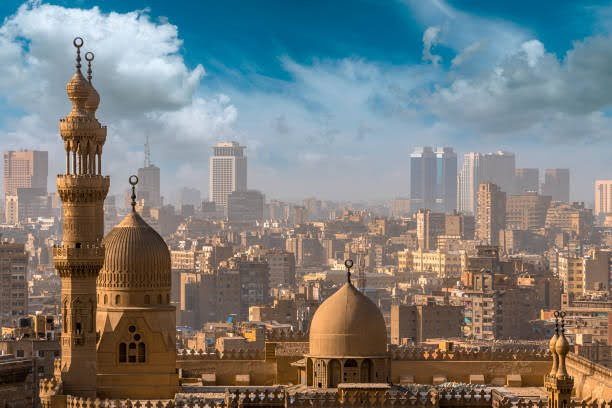
One of the most legendary school tour ideas to consider for 2025, Cairo is a school trip that will directly access some of the oldest civilizations in human history. From the perspective of our studies in history, archaeology, and anthropology Cairo is one giant classroom. Featuring grand pyramids as well as vibrant bazaars, the city serves as a base for an in-depth encounter with the layers of history and life in Egypt.
The school group’s day starts at the Giza Plateau, site of the Great Pyramid – one of the Seven Wonders of the Ancient World – and other relics that are 4,000 years old. A series of massive online open courses such as those from Coursera can help students to discover the archaeological types of procedures, archaeologist engineering or knowledge about religious facet that expanded these regions. The Egyptian Museum has thousands of artifacts, including not least treasures from the tombs of Tutankhamun itself that speak volumes about life, art and politics in pharaonic Egypt.
The urban living and modern Egyptian culture are also taught in cairo. Trips to the Khan el-Khalili Bazaar give students exposure to traditional crafts and modes of trade, while the Al-Azhar Mosque introduces them to Islamic architecture and learning. Cairo is truly one of the most fascinating school tour ideas, a city that brings together the ancient and contemporary like no other destination.
Best Time to Visit:
October to April, when temperatures are cooler and more comfortable for outdoor excursions.
Must-Visit Places:
- Giza Plateau – The Great Pyramid, Sphinx, and ancient tombs.
- Egyptian Museum – Artifacts spanning 5,000 years of history.
- Khan el-Khalili Bazaar – Traditional market and cultural hub.
- Al-Azhar Mosque – Religious and architectural significance.
- Coptic Cairo – Churches and heritage from Egypt’s Christian history.
Activities to Do:
- Join a guided archaeological site tour at Giza.
- Take part in a hieroglyphics workshop.
- Visit a papyrus-making center to learn ancient techniques.
- Explore Islamic Cairo’s mosques and madrasas.
- Attend a lecture on ancient Egyptian history and its global impact.
Local Cuisine to Try:
- Koshari – Lentils, pasta, rice, and chickpeas with tomato sauce.
- Ful Medames – Stewed fava beans with olive oil and spices.
- Molokhia – Green soup made from jute leaves.
- Mahshi – Vegetables stuffed with rice and herbs.
- Baklava – Sweet pastry with nuts and syrup.
Educational Highlights:
Cairo stands out among school tour ideas for its ability to connect students with ancient history while introducing them to the complexities of modern Egyptian society. It offers a rare combination of archaeological exploration, cultural immersion, and global historical relevance.
29. Marrakech: Immersing in Moroccan Culture
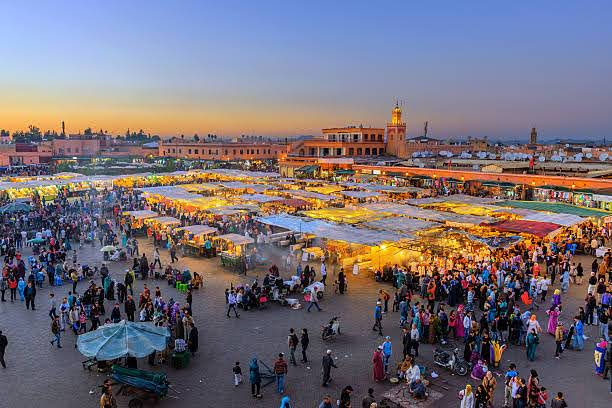
Offering students an unrivaled first-hand experience of Morocco, Marrakech is perfect for school tour ideas 2025 and remains one of the most colorful and sensory-rich. Nicknamed the «Red City» for its positively rosy-hued clay constructs, Marrakech melds millennia-old medinas with Arabesque Islamic architecture and an ever-changing array of souks to create a lively environment conducive to learning.
An obligatory part of many school tours is a visit to Jemaa el-Fnaa, the city’s main square, where students are thrust into a heady mix of storytellers, musicians, food vendors and crafts people. The open-air cultural center that doubles as a real-world lesson in communal living and oral history. Koutoubia Mosque visit the first day and get to know with islamic architecture, Bahia Palace that gives impression of moroccan art and history richesse.
Since it is an offering beyond architecture and market place, Marrakech educates traditional crafts, culture heritage. We take workshops in pottery, weaving and calligraphy to engage in the traditional crafts. Excursions to the neighbouring is Majorelle Garden and Berber Museum shed light on Morocco’s biodiversity and indigenous past. Morocco (Marrakech) — History + Art + Hands-On Culture school tour Idea
Best Time to Visit:
March to May or September to November, when the weather is mild and ideal for outdoor exploration.
Must-Visit Places:
- Jemaa el-Fnaa – Cultural square filled with performances, food, and markets.
- Koutoubia Mosque – Landmark of Islamic architecture.
- Bahia Palace – Example of Moroccan decorative arts and history.
- Majorelle Garden & Berber Museum – Botany and indigenous heritage.
- Medina of Marrakech – UNESCO-listed old town with traditional souks.
Activities to Do:
- Learn pottery, weaving, or Moroccan calligraphy in artisan workshops.
- Take a guided history tour through the Medina.
- Visit herbalist shops to study traditional medicine.
- Explore food markets and join a Moroccan cooking class.
- Attend storytelling sessions to learn about Moroccan folklore.
Local Cuisine to Try:
- Tagine – Slow-cooked stew of meat, vegetables, and spices.
- Couscous – Semolina dish served with vegetables and meat.
- Harira – Traditional soup of lentils, chickpeas, and tomatoes.
- Pastilla – Sweet and savory pie with pigeon or chicken.
- Chebakia – Sesame cookies coated in honey.
Educational Highlights:
Marrakech is a standout among school tour ideas for its hands-on cultural immersion and historical depth. Students can study the city’s architecture, crafts, and traditions while developing a deeper appreciation for Morocco’s role as a crossroads of African, Arab, and European influences.
30. Nairobi: Tracking Wildlife and Progress
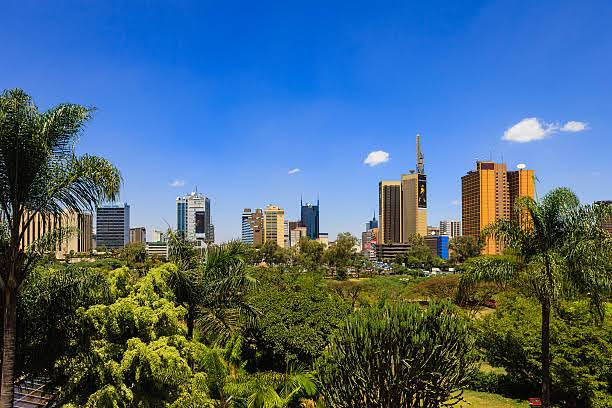
One of the brisk and attractive School Trip Ideas, especially Nairobi providing a double experience for students as African wildlife conservation could be studied at the same time it trickle an insight into modern urban development. Combining environmental science with social studies, Nairobi is an excellent place to learn due to its status as a gateway to some of the greatest safari parks in the world, yet also being one of Africa´s biggest and most vibrant cities with a rich cultural identity.
A school tour usually starts in Nairobi National Park, which is the only national park on earth that inhabits a capital city. Over there lions and giraffes roam, with rhinos round the homes as part of a curriculum combining real world conservation education with reports against a mighty backdrop of Nairobi’s skyline. The David Sheldrick Wildlife Trust and Giraffe Centre are great for getting up close to orphaned elephants that are being rehabilitated, as well as hand-feeding giraffes while learning about the endangered species.
In addition to conservation, Nairobi includes a class on Kenyan history and culture. In the Nairobi National Museum, exhibits encompassing archaeology, ethnography and contemporary art help students to understand Kenyan culture, while a visit of the Kariokor Market provides an insight to local commerce and daily life. Not only are students able to experience learning in environmental and cultural settings, but these two settings joined together make Nairobi one of the best school tour ideas in Africa!
Best Time to Visit:
June to September or January to February for the best wildlife viewing and dry weather.
Must-Visit Places:
- Nairobi National Park – Urban safari experience with diverse wildlife.
- David Sheldrick Wildlife Trust – Elephant rescue and rehabilitation.
- Giraffe Centre – Conservation education and hands-on animal encounters.
- Nairobi National Museum – Kenyan history, culture, and science.
- Kariokor Market – Local crafts, trade, and community interaction.
Activities to Do:
- Go on a guided safari in Nairobi National Park.
- Attend wildlife conservation workshops.
- Visit traditional Maasai communities for cultural exchange.
- Explore street art and murals in Nairobi’s creative districts.
- Join a cooking class to learn Kenyan recipes.
Local Cuisine to Try:
- Ugali – Cornmeal staple served with vegetables or meat.
- Nyama Choma – Grilled meat, a popular Kenyan dish.
- Sukuma Wiki – Collard greens sautéed with onions and tomatoes.
- Mandazi – Sweet fried dough.
- Githeri – Stew of maize and beans.
Educational Highlights:
Nairobi is a top choice for school tour ideas focused on conservation and cultural understanding. Students gain firsthand experience in wildlife protection, community engagement, and sustainable tourism, leaving with valuable insights into the balance between nature and urban growth.
31. Accra: Opening Ghana’s Historical Doors
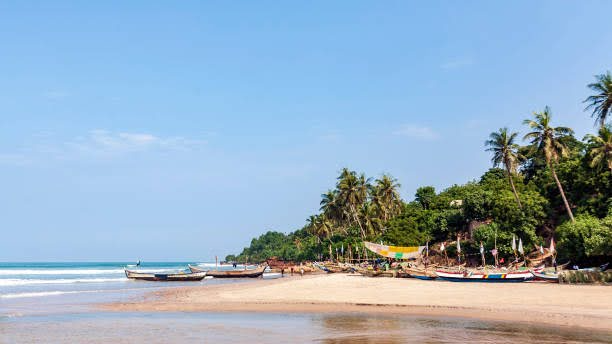
One of the most exciting school tour ideas for 2025 is Accra, where students get an immersive experience into West Africa’s past, arts and community life. The capital of Ghana, Accra is rife with an active metropolitan environment and hard-hitting historical sites reflecting the nation’s transition from colonial legacy to freedom. Markets, museums and beautiful heritage coastal sites means not only is it a great place for schools to stay when learning matters both through stories and experiences.
The school tour has already taken me to the Kwame Nkrumah Mausoleum, which memorializes Ghana’s first president and independence leader. The students study both broad-based political transformations in Ghana, and their influence throughout Africa. The W.E.B. Du Bois Center ties them to intellectual and cultural currents of the African diaspora, although more on point is the archaeological, ethnographic and art exhibits at the nearby National Museum of Ghana.
The coastal setting of Accra provides another dimension to the educational value of the city. Visits to James Town expose colonial building designs, fishing traditions as well as modern-day road art. Educational day trips to nearby forts like Ussher Fort and Cape Coast Castle educate visitors on the evils of the transatlantic slave market. One of the most interesting school tour ideas, Accra marries reflection on its past alongside the vibrancy of African city life today.
Best Time to Visit:
November to March, during the dry season for comfortable travel and outdoor activities.
Must-Visit Places:
- Kwame Nkrumah Mausoleum – Ghana’s independence story and political history.
- W.E.B. Du Bois Center – African diaspora heritage and thought leadership.
- National Museum of Ghana – Artifacts and cultural exhibits.
- James Town – Colonial history, fishing culture, and street art.
- Cape Coast Castle – Education on the slave trade and African resilience.
Activities to Do:
- Attend drumming and dance workshops.
- Participate in storytelling sessions with local elders.
- Explore street markets like Makola for trade and culture studies.
- Visit fishing communities to learn about coastal livelihoods.
- Join a heritage tour of forts and castles along the coast.
Local Cuisine to Try:
- Jollof Rice – Tomato-based rice dish with vegetables and meat.
- Kelewele – Spicy fried plantains.
- Banku and Tilapia – Fermented corn dough with grilled fish.
- Waakye – Rice and beans served with various sides.
- Shito – Spicy black pepper sauce.
Educational Highlights:
Accra is a standout among school tour ideas for its ability to connect students with Africa’s cultural richness and historical significance. It encourages critical thinking about colonial history, global connections, and the role of art and tradition in shaping national identity.
32. Tunis: Revisiting Carthage and Souks
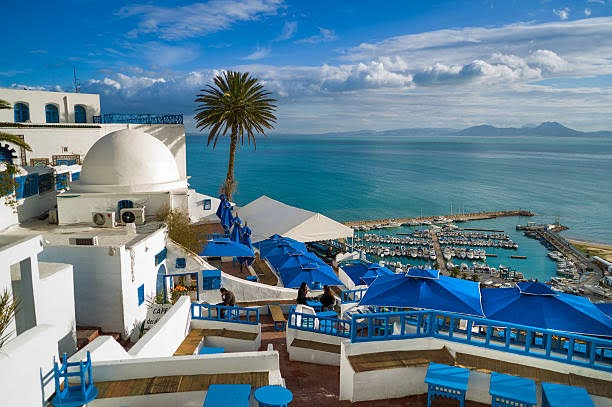
Tunis is one of the most fascinating school tour ideas in 2025, offering students an opportunity to immerse themselves in the intersection of Mediterranean, Arab, and African heritage. As the capital of Tunisia, the city is rich with archaeological treasures, Islamic architecture, and vibrant markets, crafting it a perfect location for history, culture, and geography studies.
A school excursion to Tunis often starts in the Medina of Tunis, a UNESCO World Heritage site where narrow alleyways are lined with centuries-old mosques, palaces, and souks. Pupils can learn about Islamic urban planning, craftsmanship, and social life in North Africa through its intricate lanes. The Bardo National Museum provides another layer, holding its renowned collection of Roman mosaics and artifacts that unveil Tunisia’s role in the ancient world.
Beyond the city center, trips to the ancient ruins of Carthage bring lessons in classical history to life. Students explore the remnants of Punic settlements, Roman baths, and amphitheaters, comprehending how geography and trade molded this influential civilization. Among school trip ideas, Tunis stands exceptionable for its ability to connect ancient history with living cultural traditions.
Best Time to Visit:
March to May or September to November, when the weather is mild and pleasant for sightseeing.
Must-Visit Places:
- Medina of Tunis – Traditional markets, Islamic architecture, and cultural heritage.
- Bardo National Museum – Roman mosaics and archaeological treasures.
- Carthage Ruins – Ancient Punic and Roman history.
- Zitouna Mosque – Religious and educational landmark.
- Sidi Bou Said – Coastal town known for its blue-and-white architecture and artistic heritage.
Activities to Do:
- Take a guided walking tour of the Medina.
- Explore Carthage with an archaeological expert.
- Attend a mosaic-making workshop.
- Visit traditional markets to study trade and local products.
- Join cultural exchange programs with Tunisian schools.
Local Cuisine to Try:
- Couscous – Served with vegetables, meat, or fish.
- Brik – Fried pastry filled with egg and tuna.
- Harissa – Spicy chili paste used in many dishes.
- Lablabi – Chickpea soup with bread and seasonings.
- Makroud – Semolina pastry filled with dates.
Educational Highlights:
Tunis stands out among school tour ideas for its seamless blend of ancient civilizations and contemporary North African culture. Students gain insights into trade, empire-building, and the enduring influence of Tunisia’s heritage on the modern Mediterranean world.
33. Kigali: Witnessing Rwanda’s Green Rise
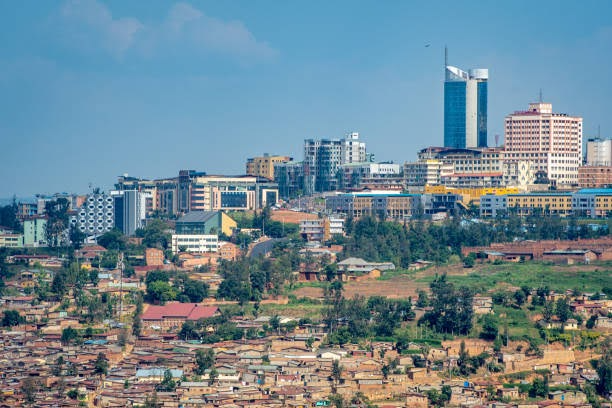
Kigali remains one of the most impactful school tour ideas for 2025, providing students powerful lessons in reconciliation, resilience, and sustainable development. As Rwanda’s capital, Kigali is a place of cleanliness, safety and welcome, with an emphasis on environmental responsibility and rebuilding communities after the 1994 genocide. It’s a destination that cultivates reflection, empathy and forward-thinking global citizenship.
A school trip often starts at the Kigali Genocide Memorial, where students gain an understanding of Rwanda’s history, what led to the genocide, and the country’s journey towards unity and peace. Guided tours deliver historical context while underscoring the importance of tolerance and preventing conflict. Deeper insights into Rwanda’s recovery efforts are revealed at the Campaign Against Genocide Museum.
Beyond its historical lessons, Kigali displays Rwanda’s commitment to sustainability and innovation. Visits to grassroots projects, women’s cooperatives and tech hubs unveil how community-driven initiatives and entrepreneurship are propelling national progress. Kigali also serves as a gateway to Rwanda’s natural beauty, with excursions to tea plantations, volcanoes and national parks offering chances for environmental education.
Best Time to Visit:
June to September or December to February, during the dry seasons for easier travel.
Must-Visit Places:
- Kigali Genocide Memorial – Lessons in history, peace, and reconciliation.
- Campaign Against Genocide Museum – Rwanda’s path to recovery.
- Nyamirambo Women’s Center – Community development and cultural exchange.
- Kimironko Market – Study local trade and daily life.
- Tea and Coffee Plantations – Agricultural and economic learning.
Activities to Do:
- Participate in peace education workshops.
- Visit artisan cooperatives to learn about craft traditions.
- Explore Kigali’s eco-friendly urban design.
- Take day trips to Volcanoes National Park for conservation studies.
- Join cooking classes featuring Rwandan cuisine.
Local Cuisine to Try:
- Ugali – Cornmeal dish served with vegetables or meat.
- Isombe – Cassava leaves cooked with peanuts.
- Brochettes – Skewered grilled meat.
- Ibihaza – Pumpkin mixed with beans.
- Mandazi – Sweet fried dough.
Educational Highlights:
Kigali stands out among school tour ideas for its emphasis on peacebuilding, sustainability, and social innovation. Students leave with a deep understanding of how education, dialogue, and community action can transform societies.
34. Lagos: Pulsing With Culture and Energy
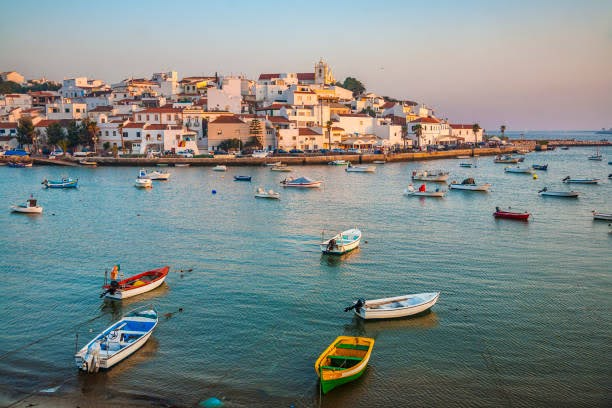
In 2025, Lagos happens to be one of the most fun school tour ideas. Here the students can grasp both cultural heritage with economic activities and cutting-edge innovative. The mainland of Nigeria’s largest commercial city and Lagos is a modern center filled with historical charm. It is perfect for learning about urban development, African arts, and entrepreneurship among other subjects.
A school trip usually begins at the National Museum Lagos, where kids can see Nigeria’s archaeology, ethnography, and art collections that include many famous works of art from the Nok culture and Benin Kingdom. Trips to Freedom Park reveal Nigeria’s colonial history and its struggle for independence, turning an old colonial prison site into a space for learning and culture.
Lagos is not just a repository of historical materials and examples. The Nike Art Gallery gives school children a taste of contemporary Nigerian art, while the Lekki Conservation Centre provides them with environmental protection and biodiversity education. From the crowded markets like Balogun to modern tech hubs, students at Lagos have real examples of what it means to be one person among 15 million in a growing African megacity.
Best Time to Visit:
November to February, during the dry season, for comfortable travel and outdoor activities.
Must-Visit Places:
- National Museum Lagos – Nigerian history and cultural heritage.
- Freedom Park – Colonial history and public art.
- Nike Art Gallery – Contemporary and traditional African art.
- Lekki Conservation Centre – Biodiversity and conservation studies.
- Balogun Market – Local trade and business dynamics.
Activities to Do:
- Join a guided tour of historic sites in Lagos Island.
- Participate in art workshops at the Nike Art Gallery.
- Explore the Lekki Conservation Centre’s canopy walkway.
- Visit local entrepreneurs and tech startups.
- Attend a traditional music and dance performance.
Local Cuisine to Try:
- Jollof Rice – Spiced rice dish with meat or fish.
- Suya – Spicy grilled meat skewers.
- Efo Riro – Spinach stew with meat or fish.
- Moi Moi – Steamed bean pudding.
- Puff-Puff – Sweet fried dough balls.
Educational Highlights:
Lagos stands out among school tour ideas for its ability to combine lessons in history, art, environmental science, and entrepreneurship. Students gain a deeper understanding of Nigeria’s role as a cultural and economic powerhouse in Africa.
Region: South America
South America’s Thrilling School Tour Ideas
South America’s school tour destinations in 2025 are bursting with energy, color, and adventure. This region invites students to trek through Incan ruins in Peru, study biodiversity in the Galápagos Islands, explore revolutionary art in Bogotá, and dance through the cultural rhythms of Buenos Aires. From ancient civilizations and colonial legacies to volcanic landscapes and urban innovation, South America offers an unforgettable classroom without walls. Each destination is a living lesson in geography, history, culture, and environmental science—perfect for students ready to think big, explore deeply, and experience learning at its most exciting.
35. Machu Picchu: Climbing Into Inca History
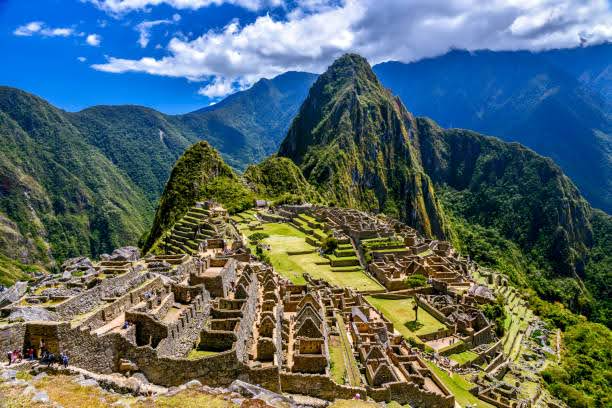
Machu Picchu is situated in the top spots of school tour ideas 2025, which allows students to see and explore one of the New Seven Wonders of the World. In the Andes Mountains of Peru, this UNESCO World Heritage site is both a living history and a laboratory for archaeology—- as well as environmental science. It challenges pupils to go back in time and consider what life was like when the Inca Empire existed.
Machu Picchu school tours usually start in Cusco, the former Inca capital city where pupils can discover how their forbears managed to build some of the most incredible works of engineering, agriculture and social systems without making use of wheels. Meanwhile the Sacred Valley trek continues onwards through towns, terraces and Inca ruins that would show how they had adapted themselves to their terrain. Students learn about Inca spirituality and the abandonment of the site as they explore stone temples, agricultural terraces, astronomical observatories and much more within Machu Picchu.
It is an ecological experience as well as a historical one. The exotic plant life ranges from orchids, to the wildlife of llamas, and how UNESCO helps preserve these fragile cultural and natural heritage sites. If you are planning on enjoying an unforgettable school trip there are few more iconic ideas that fit closely with educational tours for schools, Machu Picchu offers the shape of being a bit of all three.
Best Time to Visit:
April to October, during the dry season for clearer skies and safer hiking conditions.
Must-Visit Places:
- Machu Picchu Citadel – Temples, terraces, and Inca architecture.
- Huayna Picchu – Mountain hike with panoramic views of the site.
- Sacred Valley – Inca towns, terraces, and markets.
- Cusco – Historical capital with Inca and colonial heritage.
- Intihuatana Stone – Astronomical and ceremonial significance.
Activities to Do:
- Hike the Inca Trail or alternative trekking routes.
- Study Inca engineering and irrigation systems.
- Visit local Quechua communities for cultural exchange.
- Explore the biodiversity of the surrounding cloud forest.
- Participate in photography and history workshops.
Local Cuisine to Try:
- Ceviche – Fresh fish marinated in citrus juice.
- Lomo Saltado – Stir-fried beef with vegetables and rice.
- Quinoa Soup – Nutritious traditional Andean dish.
- Cuy – Traditional guinea pig dish.
- Chicha Morada – Sweet beverage made from purple corn.
Educational Highlights:
Machu Picchu is an unforgettable addition to school tour ideas, offering students insight into the ingenuity of ancient civilizations, the importance of heritage preservation, and the interplay between culture and environment in the Andes.
36. Galápagos Islands: Observing Evolution Live
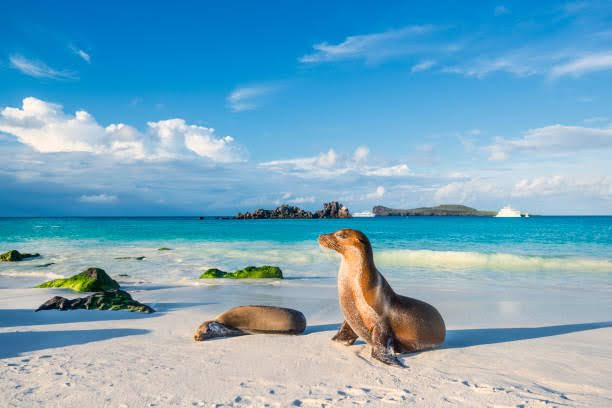
One of the most fascinating and scientifically invaluable school tour ideas to consider for 2025 is undoubtedly a visit to the Galápagos Islands, where students can experience a real-life laboratory of biodiversity first hand. The volcanic archipelago that inspired Charles Darwin’s theory of evolution is a benchmark destination for wildlife camouflage, conservation and management.
Most school trips to the Galápagos begin on Santa Cruz Island, which is where you will find the Charles Darwin Research Station for endangered species conservation and study, including that of giant tortoise breeding. Uninhabited islands, like Bartolomé and Española, provide students interactive experiences with the archipelago’s endemic creatures such as marine iguanas, blue-footed boobies and Galápagos penguins. Spelunks, trails and snorcheling can all be fun and educational ways to learn not just about marine biology but how ecosystems interact.
Students also study the tricky relationship between tourism and preservation in the region.parameters. Conversations with local conservationists, park rangers and community leaders discuss the challenges of both conserving a vulnerable ecosystem and helping communities establish sustainable livelihoods. There is truly no better school tour idea for a combination of adventure and highly advanced environmental education than the Galápagos Islands.
Best Time to Visit:
December to May for warmer waters and calmer seas, or June to November for peak wildlife activity.
Must-Visit Places:
- Charles Darwin Research Station – Endangered species protection and research.
- Bartolomé Island – Volcanic landscapes and panoramic views.
- Española Island – Rare wildlife and seabird colonies.
- Santa Cruz Highlands – Giant tortoises in their natural habitat.
- Floreana Island – Historical sites and unique marine life.
Activities to Do:
- Snorkel with sea lions, tropical fish, and marine turtles.
- Hike volcanic trails and study geological formations.
- Participate in beach clean-up and conservation programs.
- Observe wildlife behavior in different habitats.
- Attend lectures from local scientists and researchers.
Local Cuisine to Try:
- Ceviche de Camarón – Shrimp marinated in citrus juice.
- Arroz Marinero – Seafood rice with spices and vegetables.
- Langosta – Spiny lobster, often grilled or baked.
- Empanadas de Verde – Plantain turnovers with cheese or meat.
- Encebollado – Fish stew with yuca and onions.
Educational Highlights:
The Galápagos Islands stand out among school tour ideas for their unparalleled biodiversity and role in the history of science. Students gain practical insights into ecology, conservation strategies, and the global importance of preserving fragile environments.
37. São Paulo: Feeling Brazil’s Urban Pulse
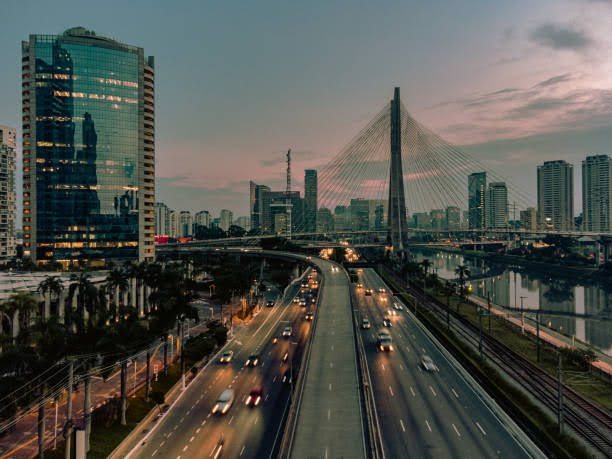
One of the most diverse and exciting school tour ideas in 2025 is São Paulo, offering students a unique experience to explore Brazil’s economic engine, cultural melting pot and vibrant arts scene. The largest city in the Southern Hemisphere, São Paulo plays host to 20 million open-minded individuals trying to unravel numerous strands of urban development, multiculturalism, and Latin-American innovation.
A field trip of a school is traditionally inaugurated with the São Paulo Museum of Art (MASP) with its characteristic architecture and notable diversity between Brazilian, European and African works. The São Paulo Cathedral and the surrounding historic center also provides insight into its colonial beginnings as well as its development into a mega global metropolis. A trip to the Immigration Museum reveals what large segments of the population have contributed to Melbourne’s self-perception, whether it be Italian and Japanese or Lebanese and African.
Besides, it is a central location for environmental and urban studies in São Paulo. In addition to being a beautiful green space that teaches lessons on designing urban green spaces, Ibirapuera Park also highlights biodiversity, and the Municipal Market focuses on Brazilian cooking. Tours like this street art tour in neighborhoods such as Vila Madalena show how public art both reflects and interacts with social and political themes. Sao Paulo (creative) is the key player in blending economic growth with cultural expression among school tour ideas.
Best Time to Visit:
March to May or September to November for pleasant temperatures and fewer crowds.
Must-Visit Places:
- São Paulo Museum of Art (MASP) – Iconic architecture and diverse collections.
- Ibirapuera Park – Urban design, green spaces, and museums.
- Immigration Museum – Cultural history and heritage.
- Municipal Market – Culinary exploration.
- Vila Madalena – Street art and creative industries.
Activities to Do:
- Attend a Brazilian cooking workshop.
- Take guided tours of historic and artistic neighborhoods.
- Participate in sustainability and urban planning workshops.
- Explore markets and practice Portuguese with locals.
- Visit universities to learn about Brazilian education systems.
Local Cuisine to Try:
- Feijoada – Black bean stew with pork, served with rice.
- Pão de Queijo – Cheesy bread rolls.
- Brigadeiro – Chocolate truffles.
- Pastel – Fried pastry with savory or sweet fillings.
- Açaí na Tigela – Frozen açaí berry bowl.
Educational Highlights:
São Paulo is a top contender among school tour ideas for students interested in the intersections of culture, economics, and social development. It offers immersive experiences in art, history, gastronomy, and urban innovation.
38. Buenos Aires: Dancing Through Argentine History
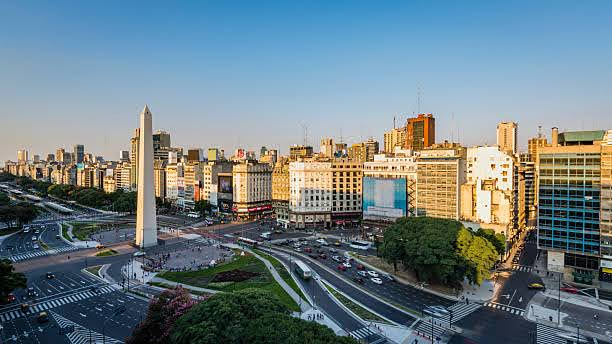
In 2025, this will be one of the best school tour ideas which may capture some young mindslearning from close quarters the culture and political poles of South America; by making it to Buenos Aires. Referred to as the “Paris of South America,” the city offers fascinating history, world-class theater and literature as well as European charm combined with an infectious Latin American flair making it a great location for students studying various fields including political science or international relations.
A school tour would typically start at the Plaza de Mayo, which is home to landmarks such as Casa Rosada (the seat of the Argentine presidency), and introduction to Argentine independence, political turmoil and modern democracy. Recoleta Cemetery also provides a study of art, architecture and national history; huge mausoleums to Argentina’s most famous — including Eva Perón.
Buenos Aires Argentina is also a center for music, dance and literature. Students may go on a visit of the Teatro Colón, one of the best opera places in the world and also to have tango lessons to learn dancing. Areas such as San Telmo and La Boca give them a taste for street art, markets and immigrant history. Buenos Aires (Political history + art expression)Another destination in the school tour ideas list is Buenos Aires, a city that mixes very well political context with creative expression.
Best Time to Visit:
March to May or September to November for mild weather and cultural events.
Must-Visit Places:
- Plaza de Mayo & Casa Rosada – Political history and national identity.
- Recoleta Cemetery – Architecture and famous historical figures.
- Teatro Colón – Performing arts and music history.
- San Telmo – Markets, antiques, and tango culture.
- La Boca – Colorful streets and immigrant heritage.
Activities to Do:
- Attend a tango dance workshop.
- Join guided historical walking tours.
- Explore literary cafés linked to Argentina’s writers.
- Visit local markets and art fairs.
- Tour political landmarks and museums.
Local Cuisine to Try:
- Asado – Traditional Argentine barbecue.
- Empanadas – Pastry filled with meat or vegetables.
- Milanesa – Breaded meat cutlet.
- Choripán – Chorizo sausage sandwich.
- Dulce de Leche – Sweet caramel spread used in desserts.
Educational Highlights:
Buenos Aires offers one of the richest cultural experiences among school tour ideas, providing lessons in history, arts, literature, and political life. Students leave with a deeper appreciation for Argentina’s role in shaping South American identity.
39. Santiago: Conquering Andes and Cityscapes
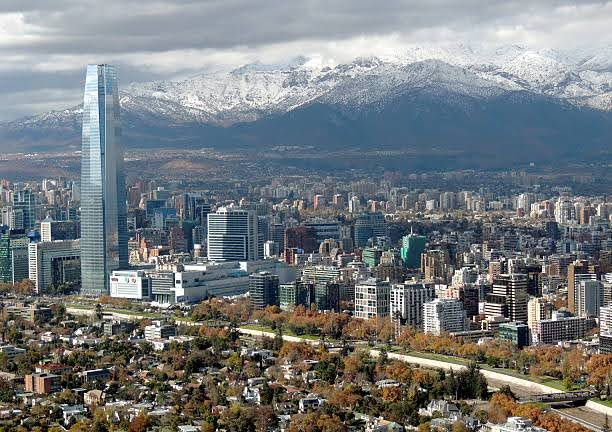
One of the most flexible school tour ideas in 2025, Santiago is a blend of historical learning, urban culture and geographical discovery awaits students. Santiago is the capital of Chile and its largest city, situated in between the Andes Mountains and the Pacific Ocean offering excellent study opportunities for environmental science, history and social change.
A tour of Plaza de Armas, the historic center of town and visiting sites such as the Metropolitan Cathedral, will typically mark the beginning of a school tour for children to learn about colonial Chile. Located inside the center of power you will get great examples of Chile´s political history and how everything regarding de 1973 coundast. In museums such as the Museo Chileno de Arte Precolombino students can investigate into native american art and culture throughout history.
Santiago has grown up across a vast region that extends through even more varied landscapes. In the Cajón del Maipo, they study geology and hydrology and go to vineyards to understand agricultural economics. Vibrant neighborhoods like Bellavista showcase street art, literature and music which paint a picture of Chilean culture for students.
Best Time to Visit:
September to November or March to May, for pleasant temperatures and fewer crowds.
Must-Visit Places:
- Plaza de Armas – Historic square and colonial architecture.
- La Moneda Palace – Political history and governance.
- Museo Chileno de Arte Precolombino – Indigenous heritage.
- Cajón del Maipo – Natural science and outdoor learning.
- Bellavista – Street art, literature, and cultural life.
Activities to Do:
- Join a guided history and politics tour.
- Explore geological formations in Cajón del Maipo.
- Attend art workshops inspired by Chilean culture.
- Visit local markets to learn about Chilean produce.
- Explore Pablo Neruda’s house for literary history.
Local Cuisine to Try:
- Empanadas de Pino – Meat pastries with onions and spices.
- Pastel de Choclo – Corn pie with meat and vegetables.
- Cazuela – Hearty meat and vegetable stew.
- Completo – Chilean-style hot dog.
- Mote con Huesillo – Sweet drink with wheat and dried peaches.
Educational Highlights:
Santiago stands out among school tour ideas for its ability to blend political history, cultural expression, and environmental studies. Students gain a broad understanding of how geography and history shape modern national identity.
40. Bogotá: Unearthing Colombia’s Gold and Grit
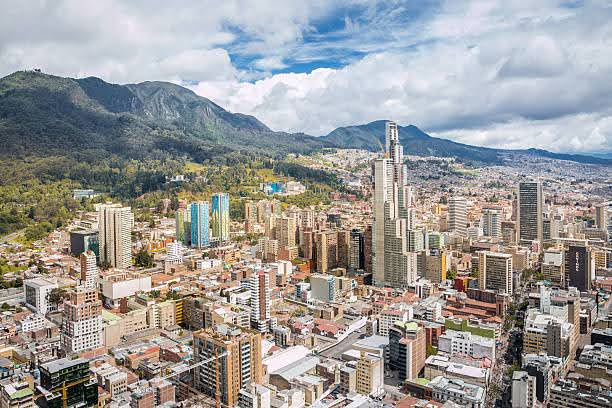
Bogotá One of the best school tour ideas in 2025 might be from Bogotá where students can find a rich historical exploration, artistic inspiration, and a cultural experience. Located in the Andes Mountains, Bogotá is the high-altitude capital of Colombia and a blend of colonial history seamlessly mixing with urban innovation that makes it an ideal place for educational travel.
La Candelaria, in the historic district of Bogota with it´s colonial, colorful buildings, museums, churches – a school tour often starts here. The Gold Museum is a must-see featuring the biggest collection of pre-Columbian gold artifacts on earth, with an explanation of the indigenous skills and symbols used. Students can also explore any of the following places: The Botero Museum, focuses mainly on works by famous Colombian artist Fernando Botero but also features pieces from other international artists.
The geography of Bogotá itself offers some further learning experiences. The cable car to the top of Monserrate, which offers majestic views of the entire city and is perfect for geography and environmental studies. Learn about the social commentary of murals on street art tours and Colombia’s agricultural economy with visits to local markets and coffee farms.
Best Time to Visit:
December to March, when the weather is driest and most suitable for outdoor activities.
Must-Visit Places:
- La Candelaria – Colonial history and cultural landmarks.
- Gold Museum – Pre-Columbian history and metallurgy.
- Botero Museum – Colombian and international art.
- Monserrate – Geography, religion, and city views.
- Paloquemao Market – Local produce and gastronomy.
Activities to Do:
- Take a guided colonial history walking tour.
- Explore Bogotá’s street art and mural culture.
- Visit coffee farms to learn about production and trade.
- Attend an Andean music or dance workshop.
- Participate in cultural exchange programs with local schools.
Local Cuisine to Try:
- Ajiaco – Chicken and potato soup with corn and herbs.
- Arepas – Corn cakes served with various fillings.
- Bandeja Paisa – Traditional platter with beans, meat, and rice.
- Tamales – Corn dough stuffed with meat and vegetables, wrapped in banana leaves.
- Chicha – Traditional fermented corn drink.
Educational Highlights:
Bogotá ranks high among school tour ideas for its balance of history, art, and cultural engagement. Students return with a deeper understanding of Colombia’s heritage, its role in South American history, and the resilience of its people.
41. Lima: Tasting Peru’s Past and Present
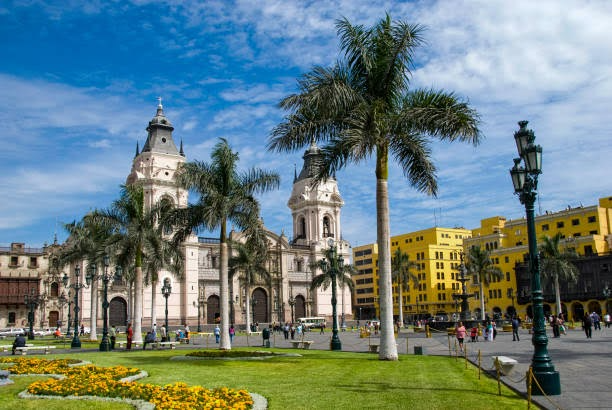
Traveling to Lima is one of the most MKURT school tour ideas in 2025 and gives your students an abundance of history, archaeology, gastronomy and so much more. 110. LIMA, PERU — As the capital of Peru, Lima is spread along the Pacific coast and offers an interesting mix of pre-Columbian heritage, colonial architecture and modern urban life. The latter disciplines should find this to be a treasure trove.
The school tour usually starts in the Historic Centre of Lima, the UNESCO World Heritage Site where colonial-era facades appear unblemished. On those days off, students can make their way to Plaza Mayor, the Government Palace and the Cathedral of Lima to see some evidence of Spanish influence in South America. Religious history and architecture are among the lessons available at the catacombs etched out beneath one of colonial Lima’s first churches, San Francisco Monastery (just southwest of Plaza de Armas), as well as its library.
Aside from its colonial history, Lima is a good place to learn about ancient civilizations at sites like the Pre-Inca adobe pyramid Huaca Pucllana in the Miraflores district. The city is also known for its diverse gastronomy that combines native ingredients with those of the Europeans, Africans, and Asians who merged in Peru during the migration; a student could learn more about this part of Peruvian tradition. Lima provides students with a cultural education that ranges from coastal beaches to vibrant markets.
Best Time to Visit:
December to April for warm, sunny weather and outdoor activities.
Must-Visit Places:
- Historic Centre of Lima – Colonial architecture and political history.
- Huaca Pucllana – Pre-Inca archaeology.
- San Francisco Monastery – Religious heritage and catacombs.
- Larco Museum – Pre-Columbian art and artifacts.
- Miraflores – Coastal district with parks and shopping.
Activities to Do:
- Take a guided colonial history tour.
- Explore archaeological sites within the city.
- Attend a Peruvian cooking workshop.
- Visit markets to learn about local produce.
- Join cultural exchange programs with local schools.
Local Cuisine to Try:
- Ceviche – Fresh fish marinated in lime juice.
- Lomo Saltado – Stir-fried beef with vegetables and rice.
- Aji de Gallina – Creamy chicken dish with aji peppers.
- Anticuchos – Grilled beef heart skewers.
- Suspiro a la Limeña – Sweet dessert made with condensed milk.
Educational Highlights:
Lima is a standout among school tour ideas for its ability to connect students with Peru’s layered history, from pre-Columbian civilizations to modern global culture. It offers hands-on learning in archaeology, history, and culinary arts, making it an ideal choice for diverse educational goals.
42. Quito: Standing on the Equator’s Edge
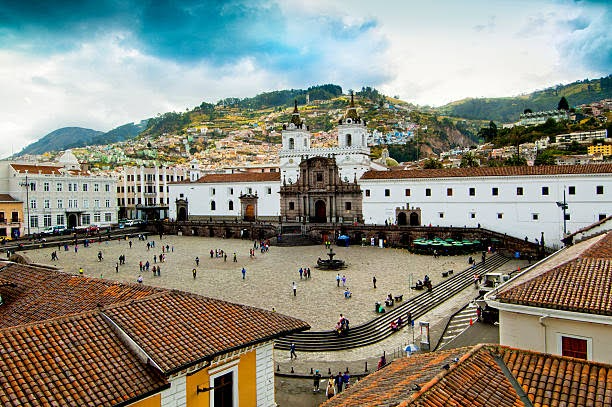
One of the most captivating school tour ideas in 2025, Quito allows students to learn about colonial history, indigenous culture and geography at the same time. Quito is situated high in the Andes and is the second-highest capital city on Earth, after La Paz. This Island located on the equator, is perfect for culture and science educations.
Your school group will frequently start your itinerary in the Historic Quarter of Quito, a city which is listed as UNESCO World Heritage site and boasts well kept Spanish colonial streets. The Plaza Grande, La Compañía de Jesús Church and the San Francisco Monastery—for a lesson on religious art and Spanish colonization. || They get to experience the ancient traditions and exquisite native artwork of Ecuador through museum visits and craft markets.
Another unique educational fieldtrip in Quito is a visit to the Mitad del Mundo (Middle of the World) monument and museum, where students can stand on the equator and study Earth´s hemispheres, gravity experiments, and globe concepts. The reality of the Andean Life program is that this field allows for an experience in the environmental sciences and cultural exchange with neighboring communities overlooked.
Best Time to Visit:
June to September for dry, sunny weather and clear views of the Andes.
Must-Visit Places:
- Historic Centre of Quito – Colonial architecture and history.
- La Compañía de Jesús Church – Baroque religious art.
- Mitad del Mundo – Equator monument and science experiments.
- TelefériQo – Cable car ride for panoramic city views.
- San Francisco Monastery – Religious history and museum.
Activities to Do:
- Join a guided colonial history walking tour.
- Stand on the equator line for interactive science activities.
- Explore Andean markets for cultural studies.
- Take the TelefériQo for geography and environmental discussions.
- Visit local schools for cultural exchange programs.
Local Cuisine to Try:
- Locro de Papa – Potato soup with cheese and avocado.
- Fritada – Fried pork with corn and plantains.
- Cuy Asado – Traditional roasted guinea pig.
- Empanadas de Viento – Fried cheese pastries.
- Helado de Paila – Fruit sorbet made in a copper pan.
Educational Highlights:
Quito stands out among school tour ideas for its combination of history, science, and cultural immersion. Students gain insights into Ecuador’s colonial past, indigenous heritage, and its geographic significance at the equator.
Region: Oceania
Oceania’s Unique School Tour Ideas
Oceania’s school tour ideas in 2025 promise unforgettable learning adventures shaped by nature, Indigenous heritage, and hands-on exploration. From snorkeling the Great Barrier Reef in Cairns to climbing volcanic peaks in Auckland and studying cultural expression in Melbourne, this region blends immersive education with jaw-dropping landscapes. Whether exploring Polynesian traditions in Rarotonga or tackling glacier hikes in Queenstown, students experience learning through storytelling, sustainability, and outdoor discovery. Oceania is where adventure meets awareness—and where every lesson leaves a lasting impact.
43. Sydney: Hearing Indigenous Ocean Tales
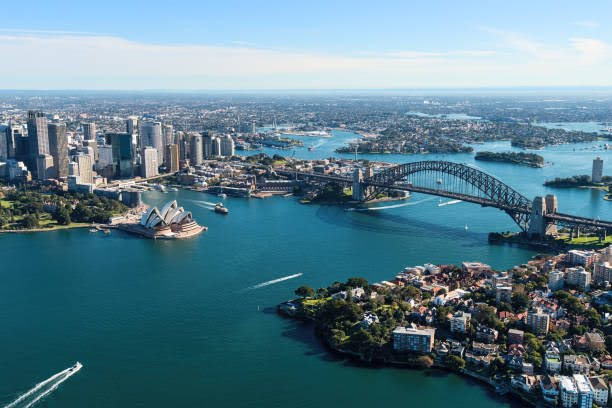
In 2025 one of the best school tour ideas is to have your students in Sydney, whether you are focusing on history, architecture, marine science and/or outdoor adventure this city has it all. The city of Sydney, the largest and most globally recognized in Australia, is peppered with an inviting combination between urban life and natural beauty that makes it perfect for a vast array of educational themes.
The tour of a school normally starts from the Sydney Opera House, one of the 20th century’s most famous and distinctive buildings, included in the list of UNESCO World Heritage sites; students in this place can take guided tours where they learn about design, acoustics and performance arts. In the same area is the Sydney Harbour Bridge for engineering info plus sweeping city and harbor views. The Rocks : The origins of the city are revealed in this cobblestoned warren of historic buildings and museums that wind down to the harbor, introducing Sydney’s colonial past.
Sydney — The best city for environmental and marine studies. Earlier, it was only known for its historical buildings and vibes, but Today it has more to provide beyond that. For instance, students in Sydney have natural history exhibits at the Australian Museum, conservation education at Taronga Zoo and coastal ecosystems on Manly Beach- a ferry ride away. Sydney also promotes its cultural diversity, encouraging students to interact with different communities around the world so that their global perspective is broadened.
Best Time to Visit:
September to November or March to May, when the weather is mild and outdoor activities are comfortable.
Must-Visit Places:
- Sydney Opera House – Architecture and performing arts.
- Sydney Harbour Bridge – Engineering and panoramic views.
- The Rocks – Colonial history and heritage sites.
- Australian Museum – Natural history and science exhibits.
Taronga Zoo – Wildlife conservation education.
Activities to Do:
- Take a behind-the-scenes tour of the Opera House.
- Walk or climb the Sydney Harbour Bridge.
- Explore marine biodiversity at the Sydney Aquarium.
- Visit Aboriginal cultural centers for indigenous history.
- Participate in coastal clean-up and marine conservation projects.
Local Cuisine to Try:
- Meat Pie – Savory pastry with beef filling.
- Lamingtons – Sponge cake with chocolate and coconut.
- Barramundi – Popular Australian fish dish.
- Pavlova – Meringue dessert topped with fruit.
- Flat White – Signature Australian coffee style.
Educational Highlights:
Sydney is a top contender among school tour ideas for its combination of iconic landmarks, environmental learning, and cultural engagement. Students leave with a deeper appreciation for Australia’s heritage, biodiversity, and role in the global community.
44. Queenstown: Mastering Geology and Thrills

Queenstown, as one of the most exhilarating 2025 school tour ideas, merges plenty of outdoor adventure with geography, environmental science and cultural heritage learning in its lesson plans. Nestled on the shores of Lake Wakatipu and encased by Southern Alps, Queenstown offers a natural canvas for students to explore education outside of a traditional classroom.
School groups often gather at a small visitor center in the town before 4 wheeling into the wild surrounding country. Topics range from the glacial valleys to the alpine ecosystems and everything in between about what shaped New Zealand’s South Island as we see it today. Outings to local attractions, such as Arrowtown, an historic gold mining settlement provide a glimpse into the area’s colonial history and the excitement of the days of gold fever.
Queenstown is also a center for tourism sustainability studies. They will consider how the town, where it experiences high visitor numbers that can impact on its environment. Getting outside, experiencing biodiversity on a hike or kayak tour in Fiordland National Park. Maori heritage experiences offer valuable insights into indigenous traditions, storytelling and community values for an enriched cultural journey.
Best Time to Visit: December to February for summer outdoor activities, or June to August for winter sports and alpine studies.
Must-Visit Places:
- Lake Wakatipu – Geography and lake ecology studies.
- Arrowtown – Gold rush history and heritage buildings.
- Fiordland National Park – Ecosystems and conservation.
- Skyline Queenstown – Panoramic views and geography insights.
- Maori Cultural Centers – Indigenous history and traditions.
Activities to Do:
- Take guided nature hikes to study local flora and fauna.
- Visit gold mining sites and learn panning techniques.
- Participate in sustainable tourism workshops.
- Explore Maori legends through interactive storytelling.
- Engage in outdoor sports like kayaking or mountain biking.
Local Cuisine to Try:
- Lamb Roast – Traditional New Zealand dish.
- Pavlova – Meringue dessert topped with fruit.
- Green-Lipped Mussels – Fresh seafood specialty.
- Fergburger – Famous gourmet burgers.
- Hokey Pokey Ice Cream – Vanilla with honeycomb toffee.
Educational Highlights: Queenstown stands out among school tour ideas for its ability to merge outdoor adventure with environmental education and cultural awareness. Students leave with firsthand experiences of natural wonders, sustainable practices, and indigenous heritage.
45. Rarotonga: Living Polynesian Traditions
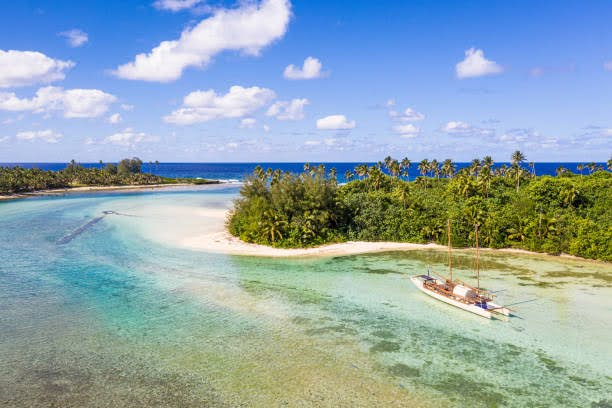
In 2025, one of the most unusual and eye-opening school tour ideas is Rarotonga which allows students to uncover Polynesian culture, tropical biodiversity and eco-friendly island lifestyles. Home to the largest of the Cook Islands, this island is a mix of sandy beaches, freshwater streams and otherwise mist-covered moonscape mountains allowing students to tailor their studies in marine biology, cultural anthropology or environmental science.
Normally, a school tour would start in Avarua the capital city of the island, visiting local markets and museums where student can learn about history of the Cook Islands, from ancient Polynesian navigation to how it is governed nowadays. Delve deeper into traditional artefacts, genealogy and overall cultural preservation with the Cook Islands Library and Museum society. As well as workshops on Polynesian dance, music and crafts for students to experience the vibrant living heritage of the island.
The main learning environments in this medium are marine surroundings. Whilst snorkeling in the Muri Lagoon we reinforce what students are learning about coral reefs, tropical fish and conservation. By hiking the island’s interior, including the Cross-Island Track, we can observe several unique plant types indicative of volcanic origins. It is a school tour idea from Rarotonga, which provides a balanced and motivating blend of adventure, cultural engagement and environmental stewardship.
Best Time to Visit:
May to October for cooler, drier weather and calm seas.
Must-Visit Places:
- Muri Lagoon – Coral reefs and marine biodiversity.
- Avarua Town – Markets, cultural institutions, and history.
- Cook Islands Library and Museum Society – Cultural artifacts and genealogy.
- Te Vara Nui Village – Traditional dance, music, and crafts.
- Cross-Island Track – Hiking and ecology studies.
Activities to Do:
- Snorkel and study coral reef ecosystems.
- Learn traditional Polynesian navigation techniques.
- Participate in cultural workshops on dance, weaving, and drumming.
- Hike to Te Rua Manga (The Needle) for geological insights.
- Join conservation projects for marine or land habitats.
Local Cuisine to Try:
- Ika Mata – Raw fish marinated in coconut cream and lime.
- Rukau – Taro leaves cooked in coconut cream.
- Poke – Cooked banana pudding in coconut cream.
- Curried Octopus – Seafood cooked in island spices.
- Tropical Fruits – Pawpaw, mango, and starfruit.
Educational Highlights:
Rarotonga is a standout among school tour ideas for its hands-on cultural learning and marine ecology experiences. Students leave with a greater understanding of island sustainability, traditional heritage, and the interconnectedness of people and the environment.
46. Melbourne: Blending Art and Urban Life
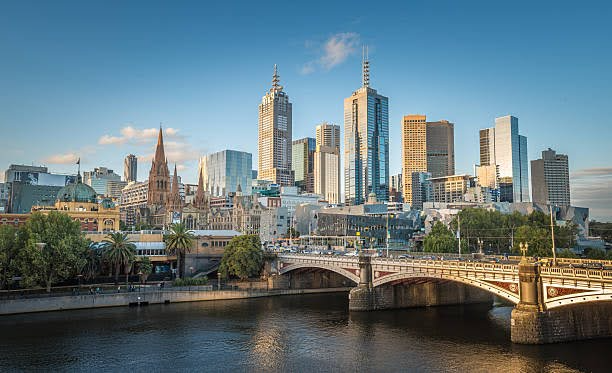
Melbourne Continues to be a Proving Ground, when Consider Ideas for 2025 School Tours. Melbourne is arguably one of the most dynamic school tour ideas in 2025, presenting students with an arresting intersection of creative industries, heritage architecture and cultural tradition. Australias cultural capital, Melbourne is the perfect place to study art, history, environmental science and urban development.
The average school tour will start in Federation Square, housing the Australian Centre for the Moving Image (ACMI), and Ian Potter Centre showing contemporary art film. Learn about nature, architecture and Australia’s past at the Melbourne Museum and Royal Exhibition Building. Students can also venture into the city’s iconic laneways, where colourful street art speaks to social, political and cultural issues.
Sustainability and innovation based studies one of key sectors there in Melbourne. They learn about plant science and conservation with trips to the Royal Botanic Gardens in Melbourne, plus visit Phillip Island to observe animal habitats and how tourism impacts the environment. The city has a vibrant food scene and a rich tapestry of immigrant communities, making it an opportunity to discover more about the myriad cultures that have shaped contemporary Australia.
Best Time to Visit:
March to May or September to November for comfortable weather and festivals.
Must-Visit Places:
- Federation Square – Arts, culture, and media.
- Melbourne Museum – History, science, and Aboriginal heritage.
- Royal Botanic Gardens – Plant conservation and environmental studies.
- Phillip Island – Wildlife and eco-tourism.
- Laneways and Arcades – Street art and cultural life.
Activities to Do:
- Take guided street art and history tours.
- Attend a film or art workshop at ACMI.
- Participate in plant science programs at the Botanic Gardens.
- Observe the penguin parade at Phillip Island.
- Join cultural exchange programs with local schools.
Local Cuisine to Try:
- Meat Pie – Savory pastry with beef filling.
- Dim Sim – Steamed or fried dumplings with an Australian twist.
- Flat White – Signature Australian coffee.
- Lamingtons – Sponge cake with chocolate and coconut.
- Avocado Toast – Popular café breakfast.
Educational Highlights:
Melbourne stands out among school tour ideas for its integration of arts, heritage, environmental awareness, and cultural diversity. Students leave with a broader understanding of creativity, sustainability, and global connections in an urban setting.
47. Auckland: Scaling Māori and Volcanic Heights

Auckland is proving to be one of our most flexible school tour ideas, where you can combine urban learning with indigenous heritage and outdoor adventure, suitable for everyone. Auckland is the “City of Sails”, situated between two harbors with numerous volcanic landforms making it an ideal location for geography, environmental and cultural studies.
The day normally starts by taking a school tour to the Auckland War Memorial Museum, with its impressive displays of New Zealand’s military history, natural history and Maori culture. For instance, to discover more on New Zealand land rights movements, students can visit Bastion Point or engage in some geology at the top of the extinct volcano Mt Eden and get a good look around Auckland city. It provides access to marine ecosystems and maritime history at the city’s water front.
Auckland is a gateway to the variety of environments that can be found within the surrounding regions. Trips to Waiheke Island teach students about sustainable farming and renewable energy, while expeditions to Waitakere Ranges focus on rainforest ecology and conservation. Out-of-the-classroom, hands-on learning Check boxAuckland is the only destination that combines practical environmental activities with visits to significant cultural sites.
Best Time to Visit:
March to May or September to November for mild weather and fewer tourists.
Must-Visit Places:
- Auckland War Memorial Museum – History, culture, and natural science.
- Mt. Eden – Geology and city views.
- Bastion Point – Political history and indigenous rights.
- Waiheke Island – Sustainable farming and eco-tourism.
- Waitakere Ranges – Rainforest ecology and conservation.
Activities to Do:
- Visit Maori cultural centers for language and traditions.
- Take guided tours of volcanic sites.
- Participate in marine conservation projects.
- Explore hiking trails in the Waitakere Ranges.
- Join sustainability workshops on Waiheke Island.
Local Cuisine to Try:
- Hāngi – Traditional Maori earth oven meal.
- Kumara Chips – Sweet potato fries.
- Green-Lipped Mussels – Local seafood specialty.
- Pavlova – Meringue dessert with fruit.
- Hokey Pokey Ice Cream – Vanilla with honeycomb toffee.
Educational Highlights:
Auckland is a top choice among school tour ideas for its combination of environmental exploration, Maori cultural heritage, and outdoor adventure. Students gain valuable lessons in sustainability, history, and geography in one of the most scenic settings in the world.
48. Cairns: Diving Into Reef and Rainforest
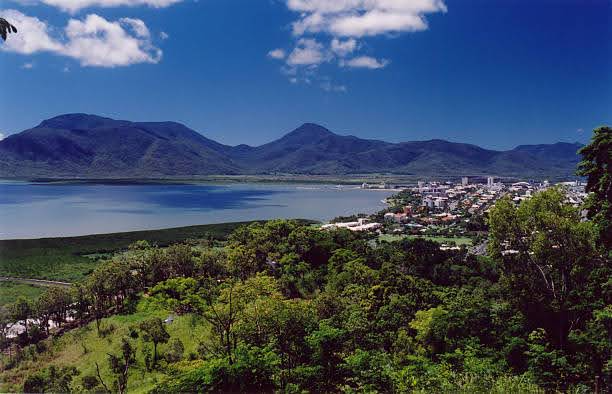
School tour ideas in 2025 will seem completely off the scale, with Cairns ranking as one of the most extraordinary. also giving students immediate access to two World Heritage sites, The Great Barrier Reef and Wet Tropics Rainforest. The city on the northeastern coast of Australia is a great place to learn about marine biology, environmental science and aboriginal culture.
From ending up covered in red dust at McConnell Dowell to the wonder of a sunrise over UQ’s lakes and lagoons, join Bec as she shares a week in her life on campus at UQ—and what happens on the road. Students can snorkel and hop glass-bottom boat tours to see and learn about coral ecosystems, tropical fish, as well as conservation activities. Learn more, and have the opportunity to discover additional reef preservation and climate change challenges at Cairns Aquarium.
Back on solid ground, students may visit the Daintree Rainforest; this is among some of the oldest tropical rainforests we have studying biodiversity and ancient ecosystems. Trips to Aboriginal cultural centres teach about indigenous heritage, storytelling, and traditional ecological knowledge. Cairns provides a complete realtime field experience with a mix of coastal and rainforest environs.
Best Time to Visit:
June to October for dry weather and the best reef visibility.
Must-Visit Places:
- Great Barrier Reef – Marine biology and conservation.
- Cairns Aquarium – Educational exhibits on tropical ecosystems.
- Daintree Rainforest – Biodiversity and ancient habitats.
- Kuranda Village – Arts, crafts, and cultural heritage.
- Tjapukai Aboriginal Cultural Park – Indigenous traditions and history.
Activities to Do:
- Snorkel or dive on the Great Barrier Reef.
- Participate in reef conservation workshops.
- Take guided rainforest walks with ecological experts.
- Learn Aboriginal art and music techniques.
- Explore sustainable tourism practices in the region.
Local Cuisine to Try:
- Barramundi – Local freshwater fish.
- Mud Crab – Seafood delicacy from northern Australia.
- Damper – Traditional bush bread.
- Macadamia Nuts – Native Australian produce.
- Tropical Fruits – Mango, pawpaw, and lychee.
Educational Highlights:
Cairns is one of the most valuable school tour ideas for immersive environmental learning. Students gain firsthand experience of marine and rainforest ecosystems, indigenous culture, and sustainable tourism practices in one of the world’s most biodiverse regions.
Other Regions
Hidden School Tour Ideas Worldwide
49. Dominica: Watching Whales and Waves
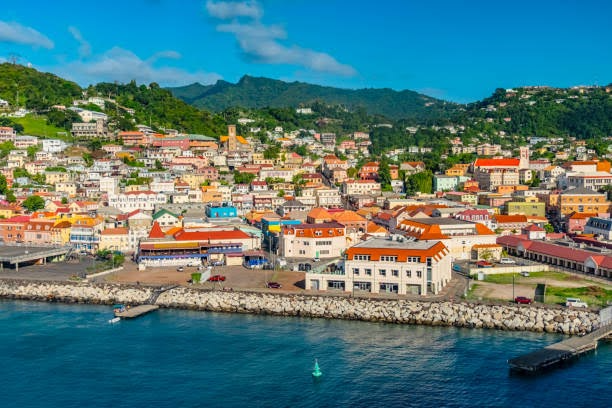
Taking you to Dominica, this is one of the adventurous and eco-focused school tour ideas in 2025 giving students a unique alternative to learn biodiversity, how volcanic geology works and living sustainably. The stuff of «Peter Pan» Known as the «Nature Island of the Caribbean,» Dominica is famous for its tropical rainforests, which are home to 1000 species Trees and seven Volcanic Craters as well as sulfur springs, boiling Rivers and natural Geysirs, making it an ideal destination for studying environmental science RequestContext — driven and geographical Programs.
The island’s capital, Roseau, is typically of the first stops on a school tour with students visiting the Dominica Museum where they learn about the history and culture of the island as well as being able to explore its indigenous Kalinago heritage. On the adjacent Botanic Gardens, you may take a class in Caribbean flora and conservation. Further inland, guided hikes in Morne Trois Pitons National Park (a UNESCO World Heritage Site) enable students to learn about volcanic landforms such as the Boiling Lake and Trafalgar Falls.
Dominica is similarly a living world school of sustainability. Students can tour eco-lodges and organic farms, and attend workshops on renewable energy, permaculture and community-based tourism. The island is a treasure trove of examples for how to deal with climate resilience and conservation strategies as it is extremely committed to preserving its natural resources.
Best Time to Visit:
January to May for dry, warm weather and easier hiking conditions.
Must-Visit Places:
- Morne Trois Pitons National Park – Volcanic features and biodiversity.
- Boiling Lake – Geothermal activity and geology.
- Trafalgar Falls – Waterfall ecosystems.
- Roseau Botanic Gardens – Caribbean flora studies.
- Kalinago Territory – Indigenous culture and traditions.
Activities to Do:
- Hike to Boiling Lake with a local guide.
- Study plant species in the Botanic Gardens.
- Participate in conservation projects.
- Learn about indigenous crafts and history.
- Explore marine life through snorkeling or boat tours.
Local Cuisine to Try:
- Callaloo Soup – Leafy green soup with coconut milk.
- Mountain Chicken – Traditional frog leg dish.
- Pelau – Rice cooked with meat, vegetables, and coconut milk.
- Cassava Bread – Indigenous staple.
- Fresh Tropical Fruits – Guava, mango, and passion fruit.
Educational Highlights:
Dominica stands out among school tour ideas for its immersive eco-learning experiences. Students gain practical knowledge in environmental science, indigenous culture, and sustainable living, all while exploring one of the Caribbean’s most pristine landscapes.
50. Iceland: Exploring Fire and Ice

In 2025, Iceland stands as one of the coolest and most visually impressive school tour ideas for students to learn about volcanoes, glaciers, landscapes, and renewable energy right there in front of their eyes. This makes it an amazing destination for geography, environmental science and cultural studies as I am sure you have heard by now its a land of Fire and Ice.
A school tour usually kicks off from Reykjavík, the capital of Iceland and offers high school students the firsthand experience of exploring the National Museum of Iceland to gain some knowledge on Viking heritage and Nordic traditions. This is followed by the popular Golden Circle Route that provides practical insights into nature, as you will visit the Þingvellir National Park (continental drift and history), the Geysir Geothermal Area (hot springs and geysers) and Gullfoss Waterfall(hydrology and erosion).
Iceland is also tops in renewable energy. Like many others, the Hellisheiði plant offers educational programs, giving students a chance to see how Iceland produces power and heating from its natural resources. Field experiences far beyond what is possible in the classroom, including glacier walks and Northern Lights observations, due to the nature of outdoor activities.
Best Time to Visit:
June to August for mild weather and long daylight hours, or September to March for Northern Lights viewing.
Must-Visit Places:
- Reykjavík – Culture, history, and urban sustainability.
- Þingvellir National Park – Geology and political history.
- Geysir Geothermal Area – Geothermal activity and science.
- Gullfoss Waterfall – Hydrology and environmental studies.
- Hellisheiði Geothermal Plant – Renewable energy education.
Activities to Do:
- Join guided tours of glaciers and volcanoes.
- Study tectonic plate boundaries at Þingvellir.
- Participate in renewable energy workshops.
- Explore Icelandic sagas and folklore.
- Observe the Northern Lights.
Local Cuisine to Try:
- Skyr – Icelandic yogurt-like dairy product.
- Lamb Soup (Kjötsúpa) – Traditional meat and vegetable soup.
- Plokkfiskur – Mashed fish stew.
- Rye Bread (Rúgbrauð) – Often baked using geothermal heat.
- Arctic Char – Freshwater fish specialty.
Educational Highlights:
Iceland is a standout among school tour ideas for its ability to merge environmental education, geology, and cultural history. Students leave with practical knowledge of renewable energy, volcanic activity, and the resilience of communities living in extreme environments.
Conclusion
For-credit 50 School Tour Ideas Their intensity still remains, which is demonstrated by the 50 school tour ideas in this guide that reveal educational travel as more than just textbooks and classroom walls. From historical landmarks and natural wonders to unique cultures and communities, each destination has a lot to offer students in terms of hands-on learning. Whether it’s marine biology in Cairns or the historic streets of Quito, tours like these are inspiring curiosity, teamwork and global mindedness.
Choosing the right school group tour ideas involves finding a way to make your destination connect with exciting things for your kids. While some camps are great for history and cultural immersion, others excel in environmental science, art, or outdoor exploration. It is necessary that the educators plan well, in tandem with trustworthy tour providers so that it is a perfect mix of safe and fun learning with ample amount of gutsy fervor.
As we advance into 2025, it is these school tour ideas that leave a lasting impression in addition to being key experiences around which we build skills and perspectives of the future. The world has an abundance of classrooms — from the humming, overpopulated cities of Asia and Europe to the remote, unspoiled islands of the Pacific and Caribbean. The only question is where are you going to take your school tour next?
